
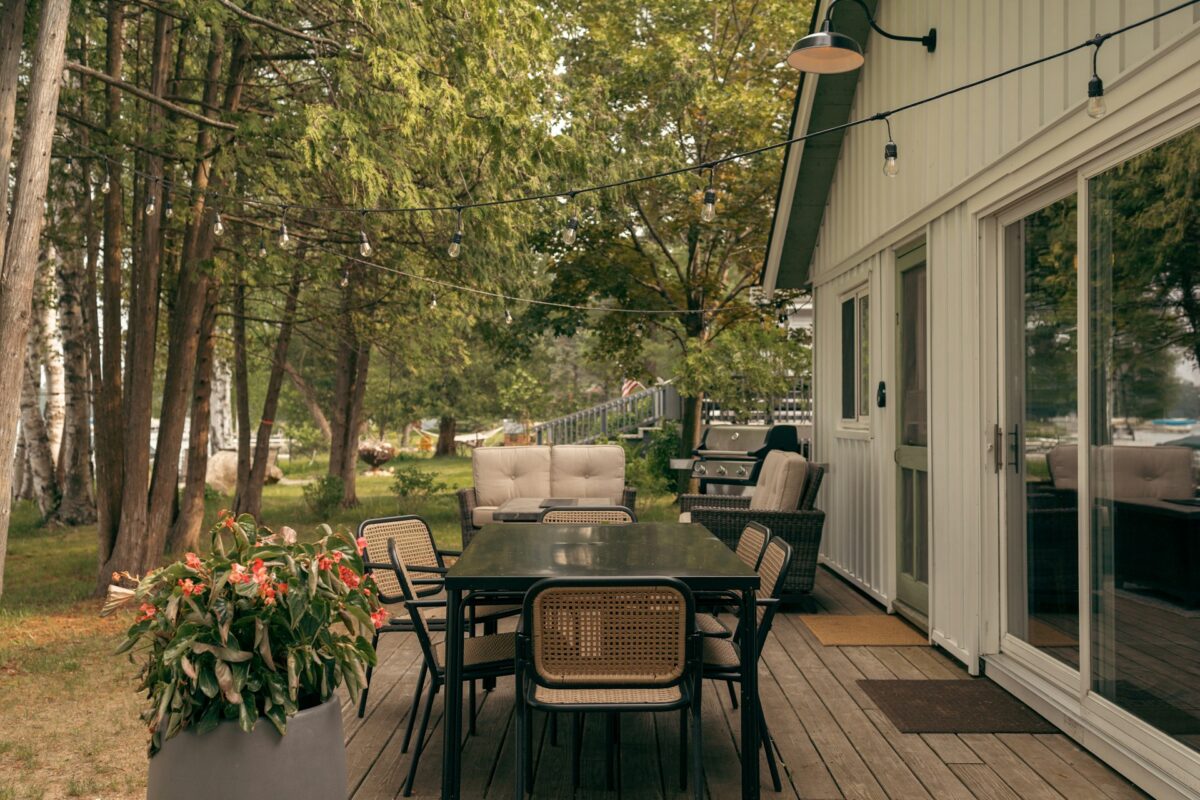
Make Patio Decisions with Confidence This Fall
Patio installation in Encinitas is one of the most meaningful upgrades you can make to a North County coastal home. With our long dry season, soft ocean breezes, and easy indoor-outdoor lifestyle, a well-planned patio quickly becomes the favorite “room” in the house. When you plan it with care, it works for everyday life, not just special occasions.
The smartest way to plan is to ask the right questions before anyone brings in a shovel. Your answers will point you toward the right patio size, layout, materials, and support systems like irrigation and lighting. Here, we walk through the key decisions Encinitas homeowners face so your new space fits your lot, your lifestyle, and your budget, without surprises later.
We will look at how you want to use the patio, what your specific site demands, which materials make sense, how water and lighting complete the space, and why working with a local certified pro keeps the whole project on track.
How Will You Really Use Your New Patio?
A patio is not just a flat surface. It is a daily living space, so the first question is simple: what will you actually do out there?
Ask yourself:
- Will it be mainly for big gatherings or quiet everyday use?
- Do you need a full dining area, a lounge zone, or both?
- Will you cook outside with a grill, pizza oven, or outdoor kitchen?
If you host larger groups, you will need more square footage, wider walkways, and clear zones for dining, cooking, and relaxing. For everyday coffee and reading, a smaller, cozier layout may be perfect. These choices guide where we place furniture, how many people the space should comfortably hold, and how you move around without feeling squeezed.
Next, think about sun, shade, and comfort. In late summer and fall, afternoons can still be bright and strong along the coast. Ask:
- What time of day will you use the patio most?
- Do you want warm morning sun, softer evening light, or both?
- Do you need shade structures like pergolas, shade sails, or umbrellas?
Orientation and shade planning make the difference between a space you use once a month and a space you use every day.
Privacy and noise are just as important. If neighbors are close, or if you sit near a road, you might want:
- Taller screening plants
- A raised planter or seat wall
- Water-wise shrubs that soften sound
Thoughtful placement of walls, seating, and planting helps block views into your yard and cuts down on noise so you feel relaxed, not on display.
What Does Your Encinitas Site Demand?
Every Encinitas property has its own set of rules. Slopes, coastal soils, and drainage patterns shape what is possible and what is smart.
Start with slope and drainage. Ask:
- Is the area flat, gently sloped, or steep?
- Where does rainwater naturally flow now?
- Do you see puddles that linger after a storm?
Coastal and canyon lots often need grading, drains, or small retaining features so water does not pool under your patio or flow toward the house during heavier fall and winter rains. A good plan moves water away safely and protects both your patio and your home.
Microclimate and coastal exposure matter too. Encinitas has:
- Salt in the air
- Marine layer moisture
- Periods of strong wind
These conditions affect the life of your materials and surrounding plants. Some finishes hold up better to salt and moisture than others. Some plants thrive in coastal sun and wind, while others struggle. Asking about wind patterns and exposure helps pick materials and planting that can handle the setting.
Access and views are the final big site questions. Think about:
- How people will move from the house to the patio
- Whether doors need to be widened or paths adjusted
- What views you want to frame, like ocean, canyon, or garden scenes
We often plan patios to line up with the best sightlines from both inside and outside, while screening less attractive views with planting or artful walls.
Which Patio Materials Fit Your Style and Budget?
Once you know how you want to use the space and what the site asks for, the next step is choosing materials that feel right and perform well.
Common patio surfaces include:
- Concrete
- Pavers
- Natural stone
- Decomposed granite or similar blends
For each option, it helps to ask:
- How durable is this in a coastal setting?
- What is the texture like under bare feet?
- How slip-resistant is it when wet?
Some homeowners like the smooth, clean look of concrete or pavers. Others prefer the more organic look of natural stone or compacted gravel style surfaces. Comfort, safety, and long-term wear should guide the choice, not just looks.
Cost and maintenance tradeoffs are another big factor. Think about:
- How often surfaces may need cleaning or sealing
- How joints will be kept free of weeds
- How they will handle fall leaves and winter storms
A lower maintenance surface might save time and effort later, even if it asks for more planning up front.
For many Encinitas homes, sustainability and xeriscape integration matter too. Patios can be paired with:
- Surrounding low water plantings
- Permeable joints or sections
- Gravel or planted gaps that let water soak in
These design moves support water-wise goals while keeping the space beautiful and functional.
How Will Irrigation and Lighting Complete the Space?
A patio looks finished when the planting, water, and lighting all work together. Irrigation is a big part of that, especially with xeriscapes.
Key irrigation questions are:
- Will nearby plants be on drip or overhead spray?
- Where will main lines run so they are protected from damage?
- How will different zones be grouped so plants get the right amount of water?
Drip irrigation usually works best around patios in our area, because it delivers water right to plant roots and keeps paving drier and safer.
Lighting planning is just as important. As days get shorter in fall, you may use your patio more in the early evenings. A good lighting plan often includes:
- Path lights along walkways
- Step lights near level changes
- Accent lighting on trees, walls, or special features
LED low-voltage systems give soft, warm light without being harsh. Planning this system together with the patio itself helps avoid tearing up finished work to add wires later.
Why Working with a Local Patio Expert Pays Off?
A certified local patio installer brings more than tools. Local knowledge helps with codes, setbacks, and stormwater rules that can affect your patio size and placement, especially near slopes or drainage paths.
When one team handles patio construction, xeriscape planting, irrigation, and outdoor lighting, everything is designed to work together from the start. That means:
- Planting beds in the right places for shade and views
- Irrigation lines planned around foot traffic and hardscape
- Lighting that highlights focal points without glare
Seasonal timing also matters. Late summer and fall are a great time to start planning in Encinitas. You can design and install hardscape while days are still long, then move into planting as the rainy season approaches, so new plants settle in with less stress. A well-phased schedule keeps your yard usable and your project organized, step by step.
Get Started With Your Project Today
Transform your outdoor space into a relaxing retreat with Garden Rhythms guiding every step of the process. If you are ready to upgrade your yard with a custom design, explore our patio installation in Encinitas to see how we can bring your vision to life. We will work closely with you to create a patio that fits your lifestyle, budget, and aesthetic. Reach out today so we can start planning a space you will enjoy for years.
