
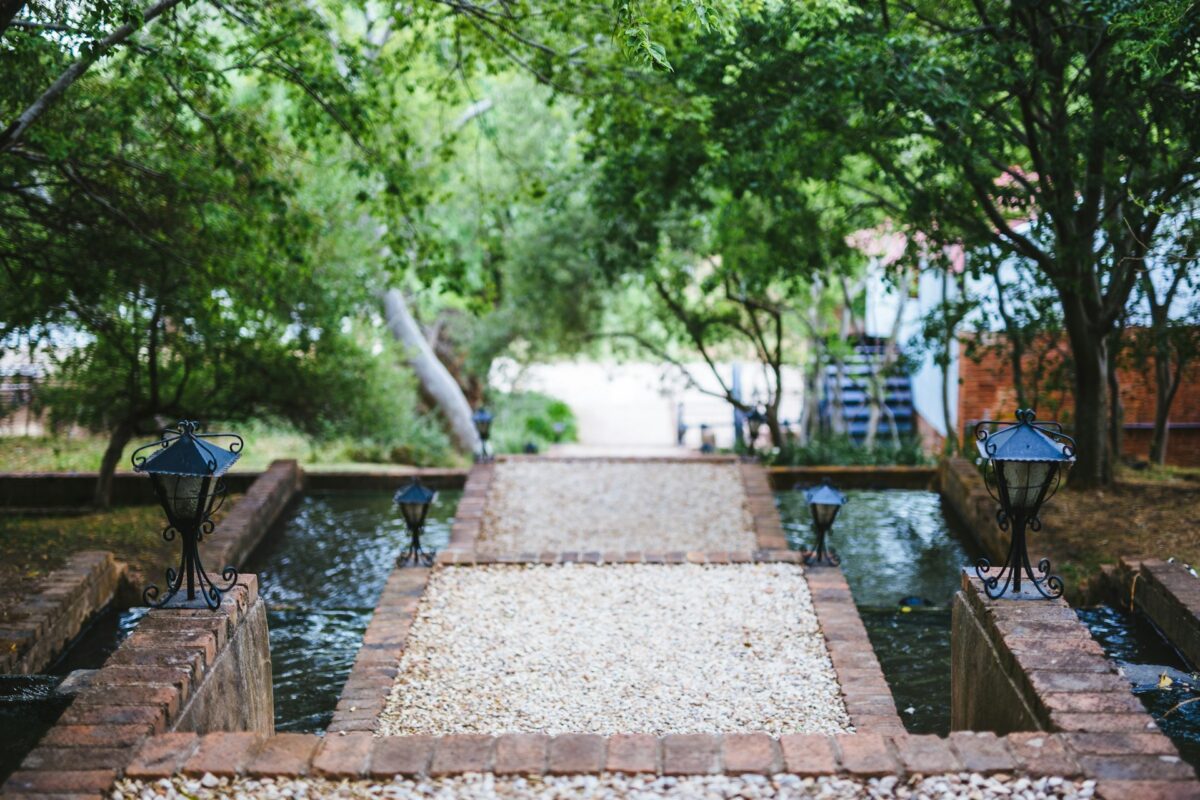
Coastal Gardens That Thrive, Not Just Survive
Landscape design in Encinitas is not as simple as picking pretty plants and adding a patio. Our coastal air, foggy mornings, hot afternoon sun, and water rules make it tricky to know what will last. Some plants love this mix, others give up fast.
When we understand our own yard’s small climate, or microclimate, everything gets easier. We can choose plants, materials, and layouts that actually fit the space. That means healthier gardens, less guesswork, and less time spent fighting problems that could have been avoided from the start.
In this article, we will walk through how to read your yard, think about coastal microclimates, and plan for planting, irrigation, and lighting that all work together. We will also share how teaming up with a local design and installation company can turn those ideas into a long‑lasting outdoor space that fits Encinitas conditions.
Understanding Encinitas Coastal Microclimates
A coastal microclimate is the set of tiny weather patterns happening in your yard. Near the ocean, these patterns can change a lot from one block to the next. Ocean breeze, morning fog, and sun angle all shape what plants will feel every day.
In Encinitas, some common settings include:
- Cliffside and oceanfront lots with strong wind and heavier salt spray
- Inland mesas with more heat and brighter afternoon sun
- Canyon edges that get cool air moving through and pockets of shade
- Older coastal neighborhoods with mature trees and mixed sun and shade
Each of these spots can have different wind, fog, and temperature swings. A plant that looks great near the beach may burn on a hot inland slope. A plant that loves heat may sulk in a foggy, wind‑blown front yard a few blocks west.
When a design ignores microclimate, problems show up fast. Plants struggle, irrigation runs too long, and hardscape materials wear out early. When we design for real conditions, not just a zip code, everything works better and needs less fixing over time.
Reading Your Yard Before You Design
Before changing anything, it helps to slow down and watch how your yard behaves. A few days of honest observation often explain why certain areas always seem to struggle.
Start with sun, shade, and wind:
- Where does the strongest afternoon sun hit and for how long?
- Which corners stay cooler or shaded under trees or eaves?
- Where does wind funnel between houses or across open driveways?
- Do you notice salt spray or a sticky film on windows and railings?
Next, look at soil and drainage. Encinitas often has sandy soil near the coast, compacted fill in newer areas, and random clay pockets in older yards. You can:
- Dig a small hole and fill it with water to see how fast it drains
- Squeeze moist soil to check if it stays in a ball (more clay) or falls apart (more sand)
- Notice where water puddles after irrigation or rare heavy rain
Drainage is especially important on slopes or near canyon edges, where runoff can move quickly and erode soil. Poor drainage can also stress plants and invite root problems.
Since late summer is dry, your yard is honest right now. Crispy lawn edges, bare patches on slopes, and shrubs that look tired highlight hot spots, poor irrigation coverage, and weak soil. Those clues are perfect for planning fall planting or a full garden transformation, while there is still time to design and prepare.
Designing for Resilience in Coastal Conditions
Once you understand your yard’s microclimates, you can start thinking about a design that works with them instead of fighting them. A key piece of resilient landscape design in Encinitas is smart plant choice.
Coastally tough plant groups usually include:
- California natives that are used to dry summers and coastal air
- Mediterranean plants that like bright sun and lean, well‑drained soil
- Salt‑tolerant plants for exposed areas near the ocean or busy streets
- Structural plants like grasses and shrubs that hold slopes and soften walls
Xeriscape does not have to mean a bare yard covered in gravel. A modern, water‑wise garden can feel lush and welcoming. We often think in layers:
- Taller anchor plants to shape space and create light shade
- Medium shrubs and perennials for color and texture
- Groundcovers that knit the soil together and reduce weeds
- Generous mulch to hold moisture and cool plant roots
Permeable hardscape, like spaced pavers with joints or gravel paths, lets water soak into the ground instead of running off into the street. This pairs well with thoughtful planting and gives your yard a finished, lived‑in feel.
Materials matter at the coast. The mix of salt air, bright sun, and everyday use can be hard on certain surfaces. For patios, decks, and fences, many homeowners do better with:
- Stone or concrete patios that hold up to sun and moisture
- Composite decking instead of raw softwoods that gray and splinter early
- Powder‑coated metal railings and fixtures instead of low‑grade metals
Choosing the right materials from the start helps your garden age gracefully and keeps maintenance simpler.
Integrating Irrigation and Lighting for Microclimate Zones
A good planting plan needs smart water and lighting to match each microclimate in the yard. Different spots should not be watered the same way. A windy front yard will dry out much faster than a shaded side yard.
Thoughtful irrigation often includes:
- Drip lines for plant groups and garden beds
- MP rotors or high‑efficiency sprays for lawns or large open areas
- Smart controllers that adjust run times based on weather and season
In late summer, it is helpful to walk the yard while the system runs:
- Overspray on sidewalks, fences, and driveways
- Dry spots where emitters are missing or clogged
- Slopes where water runs off instead of soaking in
Fixing these issues before any new planting saves water and gives new plants a better start when cooler, shorter days arrive.
Lighting also changes by microclimate. Coastal conditions call for fixtures and layouts that handle salt and moisture while still feeling calm and inviting at night. Many yards do well with:
- Fixtures made from materials that resist corrosion
- Soft path lights for safety on steps and walkways
- Subtle uplighting for special trees, entryways, or feature plants
- Thoughtful placement to avoid harsh glare into windows or neighbors’ homes
Good lighting lets you enjoy your outdoor space more often without overpowering the quiet feel of the evening.
When to Partner with a Local Landscape Designer
At some point, the pieces of microclimates, planting, hardscape, irrigation, and lighting need to fit together in one clear plan. This is where working with a local professional makes a big difference.
A company focused on landscape design in Encinitas understands how specific neighborhoods tend to behave. Things like:
- Which streets get the strongest ocean wind
- Where fog lingers longer in the mornings
- Common soil issues in different parts of town
A tailored design plan usually brings all of this into one picture, with:
- Scaled drawings that show patios, paths, and planting areas
- Plant palettes chosen for each microclimate zone in your yard
- Integrated layouts for irrigation and lighting so everything works together
Professional installation then turns that plan into a real garden. Grading and soil prep set the base. Correct plant placement, careful irrigation installation, and fine‑tuning of lighting and controllers help the space settle in and mature well over time.
Thoughtful planning and skilled installation give your coastal garden the best chance to not just survive our local conditions, but truly thrive for years to come.
Get Started With Your Project Today
If you are ready to transform your outdoor space into a place you truly enjoy, our team at Garden Rhythms is here to help. We collaborate with you to create a design that reflects your lifestyle, architecture, and the Encinitas climate. Explore how our tailored approach to landscape design in Encinitas can bring lasting beauty and function to your yard. Reach out today so we can discuss your goals, timeline, and next steps.
