
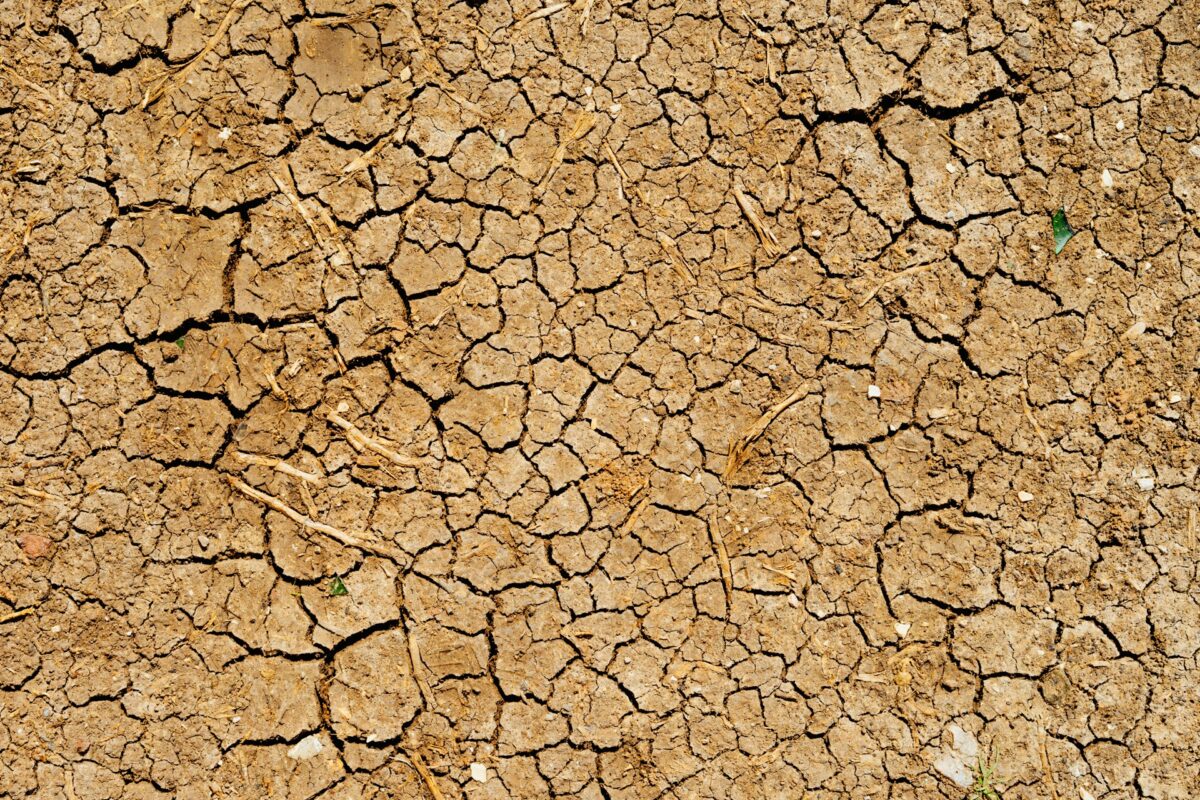
Summer isn’t always gentle on xeriscape yards, especially here in Rancho Santa Fe. When the dry season kicks in, strong winds and the occasional summer downpour can start moving soil where it doesn’t belong. Xeriscape landscaping in Rancho Santa Fe is designed to save water, using drought-tolerant plants and smart designs, but that same design can leave open areas vulnerable to erosion if not planned right. Garden Rhythms provides full service landscape design and installation that includes drought-tolerant planting, irrigation, drainage, and outdoor patio lighting, so erosion control can be built into the overall plan from the beginning.
Let’s take a closer look at what makes summer erosion happen and how small, intentional changes to the shape, spacing, and structure of your garden can help keep things in place long after June heat sets in.
Why Summer Soil Erosion Happens in Dry Yards
Once water runs low and temperatures go up, the ground gets loose. Without the natural hold of frequent moisture, soil becomes dry and crumbly. That makes it easier for wind or water to carry it away before it has a chance to settle around your plants.
In this part of Southern California, certain areas are especially at risk. Yards with slopes, patches of bare dirt, or long planting gaps have a harder time holding soil. The problem is noticeable in spots where foot traffic is common. These include:
- Garden paths where mulch has worn thin
- The edges of patios and seating areas
- Bare corners that get strong afternoon winds
The combination of dry heat, rare but strong storms, and a wide-open yard can cause washouts that are hard to reverse if left alone too long.
Smart Plant Placement and Ground Coverage
Plants don’t just look good, they help keep soil where it belongs. When grouped correctly, the right foliage can act like a natural anchor. We space plants close enough that their roots lock into the soil before wind, water, or even small animals can disturb it.
Some easy choices are creeping thyme and trailing succulents. These low-growing plants help fill in the open ground by forming a protective surface. They’re extra helpful near the base of taller water-wise plants or along the borders of pathways.
Leaving large patches of soil open between planting sections makes those zones vulnerable. To help with this, we do one of two things:
- Continue a low-spread groundcover across the gap
- Use natural coverings like mulch or gravel
Avoid letting too much dry, bare soil sit idle. That’s where trouble starts once the wind picks up.
Choosing Mulch That Stays Put
Not all mulch behaves the same. Some types are light enough to blow away after just one gust, especially in coastal towns like Del Mar and Encinitas. This can leave soil exposed before the season is even halfway over.
The key to solving that is using heavier mulch materials. These include things like gravel or crushed stone. They’re dense, stay close to where they’re placed, and allow for water to slowly work through instead of pooling on the surface.
Another good option is large, coarse bark chips. These are less likely to slide or clump together, shaping a loose barrier that shelters the soil underneath. Still, not every area is right for mulch. On steeper sections or near drains, mulch can shift during a storm. In those places, a different fix might be better.
Using Design Features to Break Up Water Flow
Some problems with summer erosion come from how water moves across a yard. If you’ve ever watched an unexpected rain collect in one area, you’ve probably seen how quickly soil can vanish. This happens faster in yards that don’t break up the water’s path.
We often include small design features to reduce how quickly water flows across the surface. These may be:
- Raised beds that curve water gently away from walkways
- Permeable paths that let water soak in rather than run off
- Wide, level borders made with stone or timber edging
It’s important to keep things flexible too. Avoid placing large boulders or solid barriers on slopes. These can trap water in the wrong spots or make soil instability worse. We always factor in how water should leave the yard, not just where it enters.
Checking Irrigation Systems During the Summer Shift
When spring turns into summer, watering habits need to shift, especially for xeriscape yards that rely on drip systems. There are a few things we check this time of year to make sure the soil stays in place and gets just enough water:
- Make sure drip lines aren’t leaking, sending too much water to one area
- Check spray heads near edges to prevent unexpected runoff
- Adjust watering times to match early morning or late evening, which helps reduce evaporation
If irrigation is too heavy in one spot, it can start eroding topsoil little by little. Light, steady watering works best for keeping everything balanced. We look for cracks, uneven watering, or signs of pooling, and make changes as needed before they become bigger problems. Our work as a licensed, bonded, and insured contractor with Certified Landscape Technician credentials through the California Landscape Contractors Association helps keep these irrigation and drainage adjustments grounded in on-site experience.
Design That Holds Up Through Rancho Santa Fe Summers
Keeping soil in place during summer means thinking ahead. We look at how sunlight, wind, and slope come together, then design the space around that. Xeriscape yards that balance strong root systems, steady groundcover, and careful water flow are better at staying put when the weather shifts. Many of our projects in Rancho Santa Fe combine drought-tolerant shrubs, succulents, and cactus with built-in irrigation and drainage so erosion control becomes part of everyday yard function, not an added chore.
A yard where the soil stays exactly where it should is a yard that takes less maintenance. The plants stay healthier, the design keeps its shape, and the space feels just as calm and structured in August as it did in May. That kind of function makes a dry-season yard easier to enjoy all summer long.
Erosion in your yard can signal that it’s time to rethink your layout. At Garden Rhythms, we pay close attention to water flow, plant coverage, and how summer heat affects every spot from sloped gardens to open patios. Our experts can help design a space that holds together through the hottest months. Reach out to talk through your unique challenges by contacting us through xeriscape landscaping in Rancho Santa Fe.
