
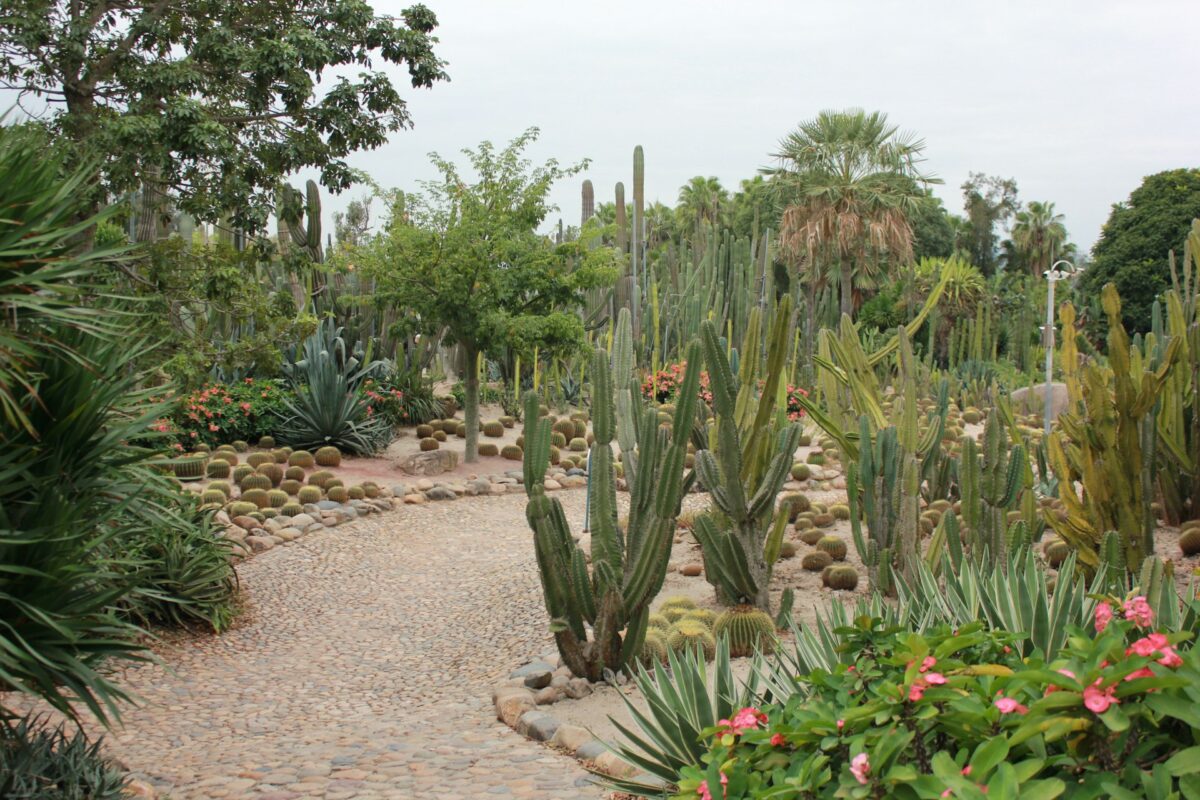
Transform Your Encinitas Canyon Yard Into a Resilient Oasis
Xeriscape landscaping in Encinitas is one of the smartest ways to care for a coastal canyon yard. Water costs keep rising, drought rules come and go, and canyon slopes bring their own set of headaches. With the right design, your outdoor space can be beautiful, safer, and easier to live with all year.
In our coastal canyons, we work with steep grades, sandy and rocky soils, salty air, and lots of small microclimates from foggy bottoms to sunny rims. Xeriscape is about designing with those realities instead of fighting them. When it is done well, homeowners see lower water use, less mowing and trimming, stronger erosion control along canyon edges, and curb appeal that does not fade when irrigation rules tighten.
Early fall is one of the best times to plan and install this kind of yard in Encinitas. The days are a bit shorter, the soil is still warm, and the season ahead usually brings some helpful rain. New plants get time to grow deeper roots before the long, bright days of late spring arrive, so your new canyon garden can settle in with less stress and less watering.
What Xeriscape Really Means in Coastal North County
A lot of people hear “xeriscape” and think it means “zero-scape,” just gravel and a few lonely plants. That is not what we design. Xeriscape is a full, thoughtful outdoor plan that uses water-wise plants, better soil structure, and smart irrigation so the yard feels alive and welcoming, not stripped down.
For coastal canyon lots in Encinitas, we pay extra attention to:
- Deep-rooted plants that help hold slopes and reduce erosion
- Species that can handle salty breezes and foggy mornings
- Layouts that work with natural drainage instead of blocking it
That often means mixing California native plants with other dry-climate species, grouping them by water needs, and leaving space for water to move safely down the canyon. On a steep slope, root systems are as important as flowers.
No two canyon yards behave the same. Some sit in the fog belt and stay cooler and more humid. Others on canyon rims get strong sun and wind. We adjust our plans to fit each microclimate, respect HOA guidelines, and work around any mature trees you want to keep. Shade, views, and current irrigation lines all shape how we design a water-wise canyon yard that still feels personal.
Unique Challenges of Encinitas Coastal Canyon Yards
Canyon-edge properties in coastal North County come with real challenges that flat inland lots never see. Without a thoughtful plan, water and gravity can cause problems over time.
Common canyon issues include:
- Erosion that slowly eats away at slopes and paths
- Runoff that washes soil and mulch into protected habitats below
- Limited side-yard access for tools and materials
- Strong winds and salt spray that stress plants
Local water-use rules and tiered water rates also matter. Over-watering on a slope does more than raise a bill, it can loosen soil and send water where it should not go. Fire-wise thinking is important too, especially near native canyon vegetation. We look for plant spacing, clear zones near structures, and irrigation that supports healthier, less dry growth.
Soils in coastal canyons can be tricky. You might see decomposed granite, old compacted fill, or patches that drain fast and dry. Instead of fighting each spot, we shape the ground with gentle contouring, swales, and basins that slow water and let it soak in. The right mix of grading, rock, and plant roots can help keep both your yard and the canyon below more stable.
Key Design Elements for Beautiful, Water-Wise Canyons
Xeriscape landscaping in Encinitas canyons is not just about saving water, it is also about creating a place you actually want to spend time in. A strong design balances color, texture, paths, and views.
For plant palettes, we often think in layers:
- California natives for habitat, slope stability, and seasonal interest
- Mediterranean plants that enjoy dry summers and mild winters
- Flowering shrubs and perennials for color and fragrance near patios
- Groundcovers to knit soil together on tricky slopes
Structure matters too, especially on grades. We like to use:
- Decomposed granite or paver paths that follow the natural contour
- Small viewing patios tucked at safe, flat spots for canyon outlooks
- Boulder groupings that look natural and help hold soil
- Low-voltage lighting to mark steps and highlight key plants at night
Smart irrigation is the hidden support system. Drip lines, pressure regulation, and separate zones help water reach roots slowly without runoff. Rain sensors and simple controllers can pause watering when we do get wet days. Dry creek beds and rock-lined swales are attractive features that also guide heavy rainfall away from structures and into safe infiltration zones.
Planning a Fall Xeriscape Installation That Lasts
Starting a canyon xeriscape in fall sets the whole project up for long-term success. The soil still holds warmth, the sun is a bit less intense, and the coming rainy period can help new plants settle in. This timing cuts stress on young roots and typically reduces how often you need to irrigate in those first months.
A typical project flows through steps like:
- Site assessment, where we study slopes, sun, wind, and drainage patterns
- Concept design, to map views, paths, patios, and plant zones
- Plant and material selection that fits your style and canyon conditions
- Demolition and prep, including grading, soil work, and irrigation layout
- Installation of hardscape, plants, mulch, and lighting
- First-season care, with adjustments to watering and early pruning
Homeowners can help the process by doing a little prep. It is helpful to:
- Decide your top priorities, like views, play space, or quiet retreat
- Note pet needs, storage, or access paths you must keep open
- Gather a few photos of yards you like so we understand your style
- Watch how water moves during a rare heavy watering or rain and note problem spots
These simple steps give us a clear starting map so the final design fits your daily life as well as your canyon.
How Garden Rhythms Brings Canyon Xeriscapes to Life
At Garden Rhythms in Encinitas, we focus on full landscape design and installation, and canyon yards are a big part of our work. Our process starts with an on-site visit where we walk the property, study the slope, look at how the sun moves during the day, and feel where the wind hits hardest. We also review any current irrigation, patios, or lighting so the new plan ties everything together.
From there, we create a cohesive design that respects the canyon edge, follows local guidelines, and works with the natural grades. Irrigation, plant layout, patios, paths, and lighting are treated as one connected system instead of separate projects. That way, you are not re-digging trenches later just to add a light or move a line.
Being local means we see how specific plants actually perform in coastal North County yards over time. We know which ones handle the salt air, which ones stay more compact near paths, and how different mixes look through all four seasons. As your new xeriscape matures, small adjustments to irrigation, pruning, and plant spacing keep it growing into a canyon-friendly yard that feels like it truly belongs where you live.
Get Started With Your Project Today
If you are ready to conserve water and create a yard that thrives in our local climate, we are here to help you plan the next steps. At Garden Rhythms, we design custom outdoor spaces that match your lifestyle and are simple to maintain. Explore how our xeriscape landscaping in Encinitas can transform your property into a beautiful, resilient landscape. Reach out today so we can discuss your goals and start shaping a landscape that fits your vision.
