
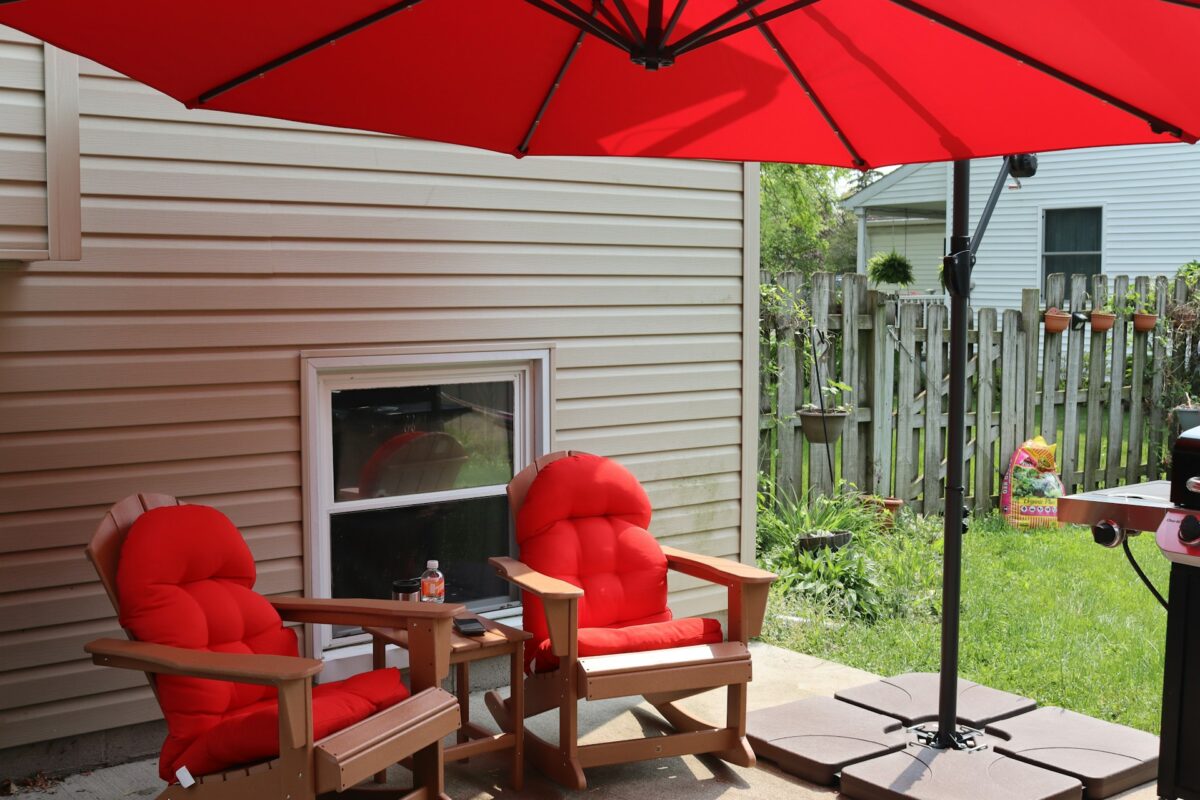
Build a Breeze-Friendly Patio That Lasts by the Coast
Choosing the right patio surface in Encinitas is not just about looks. Our salt air, strong sun, and sandy soil put every material to the test. If you pick the wrong surface, you can end up with cracks, hot slabs that hurt bare feet, or a slick patio every time the marine layer rolls in.
In coastal North County, patios work hard all year. They host morning coffee, homework at the table, and weekend get-togethers. That is why we like to compare the four big options for patio installation in Encinitas: concrete pavers, stamped concrete, natural stone, and composite decking. We pay special attention to how each one handles salt air, stays safe when wet, feels underfoot, and fits normal maintenance routines, not fantasy ones.
How Salt Air and Coastal Weather Affect Patio Surfaces
Living by the ocean is great, but your patio surfaces never get a break. Salt-laden moisture hangs in the air, then dries on every surface. Days warm up, nights cool down, and the cycle repeats. Add UV from long, sunny days, and occasional heavy rains, and you get a tough test for any material.
Salt and moisture can:
- Speed up rust on metal fasteners or rebar
- Bring minerals to the surface and cause efflorescence
- Break down coatings and sealers faster than you expect
- Sneak into tiny cracks and joints if drainage is poor
Here is how each option responds in our coastal conditions:
- Pavers: These are individual units set over a layered base. They can move a little with the ground instead of cracking as one big piece. When installed over good drainage and sealed correctly, pavers handle salt air well. If a few pieces stain or chip, they can often be lifted and replaced without tearing out the whole patio.
- Stamped concrete: This is a single slab pressed with a pattern. In coastal yards, it is more likely to crack over time, especially if the base or control joints were not done right. Salt, moisture, and sun slowly wear down color hardeners and sealers, which can fade the look and leave the surface more exposed.
- Natural stone: Some stone types are incredibly strong in coastal settings, while softer ones can struggle. Dense stones with low porosity usually hold up well when sealed and drained correctly. Softer stones can etch, flake, or spall if they sit in standing water or are not sealed and cared for.
- Composite decking: Quality, capped composite products tend to handle salt and moisture better than many wood options. With the right stainless steel hardware, they resist rot and corrosion. Lower-end boards can fade, scratch, or look tired faster, especially in full sun.
No matter which surface you choose, professional installation and drainage design are key. Proper base prep, slope, and realistic resealing cycles do far more for long-term durability than any single product claim.
Staying Safe and Comfortable Underfoot All Year
On coastal mornings, the marine layer and dew can leave hard surfaces slick. Slip resistance is a big deal, especially around pools, on stairs, and on any patio with a bit of slope.
Here is how grip usually compares:
- Pavers: Textured pavers with sand-filled joints give good traction. We like to use breathable, non-gloss sealers that protect color without turning the surface into a skating rink.
- Stamped concrete: If the finish is too smooth or heavily sealed with a shiny topcoat, it can be slippery when wet. Texture choice and non-slip additives in the sealer are very important near pools or on steeper paths.
- Natural stone: Rougher textures, like split-face or tumbled finishes, often have excellent grip. Honed or polished stone can look beautiful but is usually a bad match for pool decks and other consistently wet zones.
- Composite decking: Many boards have embossed grain that helps with traction. In shaded, damp corners, mold or algae can grow if cleaning is ignored, which can make boards slick over time.
Heat under bare feet matters too, especially in late summer and early fall when patios get a lot of use. Darker surfaces absorb more heat and can get uncomfortable in full sun.
For temperature comfort:
- Lighter color pavers and stone usually stay cooler
- Stamped concrete acts like thermal mass and soaks up heat, so color and shade are important
- Composite decking often runs warmer than many stone options, but lighter colors and under-deck ventilation can help
We always suggest testing samples outside at your home. Place a few pavers, stones, and composite boards in the sun at different times of day. Walk on them barefoot and notice which ones feel best and which direction your patio will face. Shade structures and smart planting can also cool the space naturally.
Maintenance Realities and Long-Term Costs by the Coast
Coastal patios do not stay clean on their own. Salt, sand, and organic debris are part of daily life here. Any material will look better and last longer with routine care.
Most patios near the coast benefit from:
- Gentle rinsing to remove salt and grit
- Occasional deep cleaning with the right cleaner for the surface
- Fresh sealer every few years on porous or colored materials
- Periodic checks for drainage problems or shifting
Here is what to expect by material:
- Pavers: Joint sand may need topping off, especially where wind or heavy sweeping removes it. Weeds can pop up if joints dry out or if there is soil in the base. Resealing every few years refreshes color and protects from stains. The good news is that many repairs are localized.
- Stamped concrete: The look depends a lot on the sealer and color system. As sealers wear away, color can fade, and the surface can stain more easily. Cracks can appear and often need professional repair to avoid spreading. Resealing and color touch-ups are part of the long-term picture.
- Natural stone: Each stone type has its own care rules. Penetrating sealers usually help with stain protection without changing grip much. Some stones age into a nice patina, while others need more frequent cleaning to avoid flaking or discoloration.
- Composite decking: No staining or sealing is usually needed, but consistent washing is important to remove salt, dirt, and organic matter between boards. Damaged boards can be swapped out, though slight color differences can show between older and newer boards.
Good construction choices at the start can prevent many future headaches. Proper base depth, compaction, drainage, and the right edge restraints or fastener systems help keep surfaces even and safe for the long term.
Matching Patio Materials to Your Home and Lifestyle
Your patio surface should fit your house, not fight it. Style, yard shape, and how you use your space all play a role.
Different homes often pair well with different materials:
- Coastal contemporary homes tend to look great with large-format pavers, linear stone layouts, or clean-lined composite decks.
- Spanish, Mediterranean, and cottage styles often favor textured pavers, flagstone paths, or warm natural stone in earth tones.
Function matters as much as style:
- If you love outdoor cooking and big gatherings, stain-resistant pavers or denser stone can be a smart call around grills and dining areas.
- Poolside patios need strong slip resistance and surfaces that stay comfortable to walk on. Lighter colors and textured finishes usually work best.
- Small or sloped yards sometimes suit composite decking on a frame, especially where building up a level surface is easier than major grading.
Encinitas also has many microclimates. Oceanfront areas may see more fog and moisture, while slightly inland lots can feel hotter and drier. Canyon breezes might cool one side of a yard while another side bakes all day. Neighborhood rules and city guidelines can also affect thickness, drainage, and even color choices.
A thoughtful design can blend materials too. Pavers might define the main dining area, with natural stone accents around planters and lighting, and composite decking stepping up to a raised seating space. Integrated planning for lighting, irrigation, and planting keeps everything coherent, not patched together.
Plan Your Coastal-Ready Patio with Garden Rhythms
At Garden Rhythms in Encinitas, we focus on how each property really lives: where the wind hits, where water wants to collect, how the sun moves across your yard, and how you actually use your outdoor space. We pair that with careful material selection so your patio surface fits your home, your routine, and our coastal climate.
Our patio installation in Encinitas brings together planning, construction, and ongoing care so your patio stays safe, comfortable, and good-looking under salt air and strong sun. Thoughtful choices now can give you a patio that feels right under bare feet, holds up to daily life, and connects smoothly with the rest of your outdoor spaces.
Get Started With Your Project Today
Transform your outdoor space into a welcoming retreat with Garden Rhythms guiding every step. If you are ready to elevate your yard with a custom design, explore our expert patio installation in Encinitas tailored to your home and lifestyle. We will help you choose materials, layout, and features that fit your vision and budget, then handle the details so you can simply enjoy the results. Reach out today so we can start planning a patio that feels like a natural extension of your home.
