Heat waves in Rancho Santa Fe aren’t just uncomfortable. They can wear down your garden quickly if you’re not ready. Most traditional yards struggle in high heat, especially when the soil dries out and water demand goes up. That’s why planning ahead with xeriscape design in Rancho Santa Fe makes sense. It’s not just about drought-tolerant plants. It’s about planning smart before the worst of summer arrives. At Garden Rhythms, we design and install xeriscape gardens using drought-tolerant plants, succulents, and cactus, with irrigation built into the layout so summer care stays manageable. When you take steps early, your outdoor space stays strong, looks better, and demands less emergency care when temperatures spike. Here’s how to get things in good shape before the sun gets too intense.
Check Soil Conditions Before the Heat Hits
Our soil takes a beating during the warmer months. If it’s already hard and dry before the heat rolls in, it can be tough for plants to stay hydrated. That’s why prepping the ground early is one of the best things we can do.
- Dry, compacted soil won’t hold water well. That means more runoff and less moisture for the roots.
- Adding mulch is an easy fix. It holds in moisture, keeps the soil cooler, and helps reduce how often plants need water.
- Now’s also the time to check drainage. If the ground isn’t soaking up water the way it should, we’ll have more problems later on when it really counts.
Getting ahead of the heat by tending to the soil now saves stress later. Start by loosening the soil in problem spots with a shovel or cultivator, breaking up chunks that resist water flow. You may find that in most corners, a two-inch layer of mulch is enough, but heavier wear areas could benefit from three inches. Remember to keep mulch away from direct contact with plant stems to avoid rot, and look for natural, non-dyed options like bark or shredded leaves for better water retention.
After you mulch and aerate, watch how water pools during your next irrigation. If you notice puddling or rapid runoff, re-grade the soil in that area to allow deeper absorption. Well-treated soil will grant roots a much-needed cool buffer when temperatures climb. While it may be tempting to wait for signs of stress, starting these tasks now is much more effective, plants establish deeper, stronger roots before the heat intensifies.
Reassess What’s Growing and Where
Before things get too hot, it’s smart to walk through the yard and take a hard look at what’s planted. Some plants just don’t belong in a summer-hungry California yard.
- High-water plants won’t survive long in full sun during peak heat. If they’re already looking tired in June, they’re going to struggle more in July.
- Swapping out these thirsty plants for more drought-tolerant ones makes care easier and long-term results better.
- Placement matters too. Areas that get morning shade or late-day sun can support different plants than full-sun spots. Rearranging now improves their chances of staying healthy through the season.
When we pay attention to what’s thriving where, the entire garden has a better shot at making it through the heat looking good. Start this review by noting zones that seem to dry out first. If certain beds wilt no matter how much you water, try adjusting your planting strategy. Move the most sensitive varieties to spots protected by larger shrubs or structures, while consolidating drought-tolerant plants in the sunniest locations.
If you’re unsure about a plant’s water needs, research its species before making changes. You might be surprised which garden favorites can handle heat with minimal fuss, while others need extra attention. For new plantings, soak the ground thoroughly a day or two before transplanting, and water during the cooler evening or early morning to reduce shock.
Get Irrigation Systems in Place Now
Irrigation is one of the most important pieces of any summer-ready yard. But we have to make sure it’s set up right, especially for dry heat.
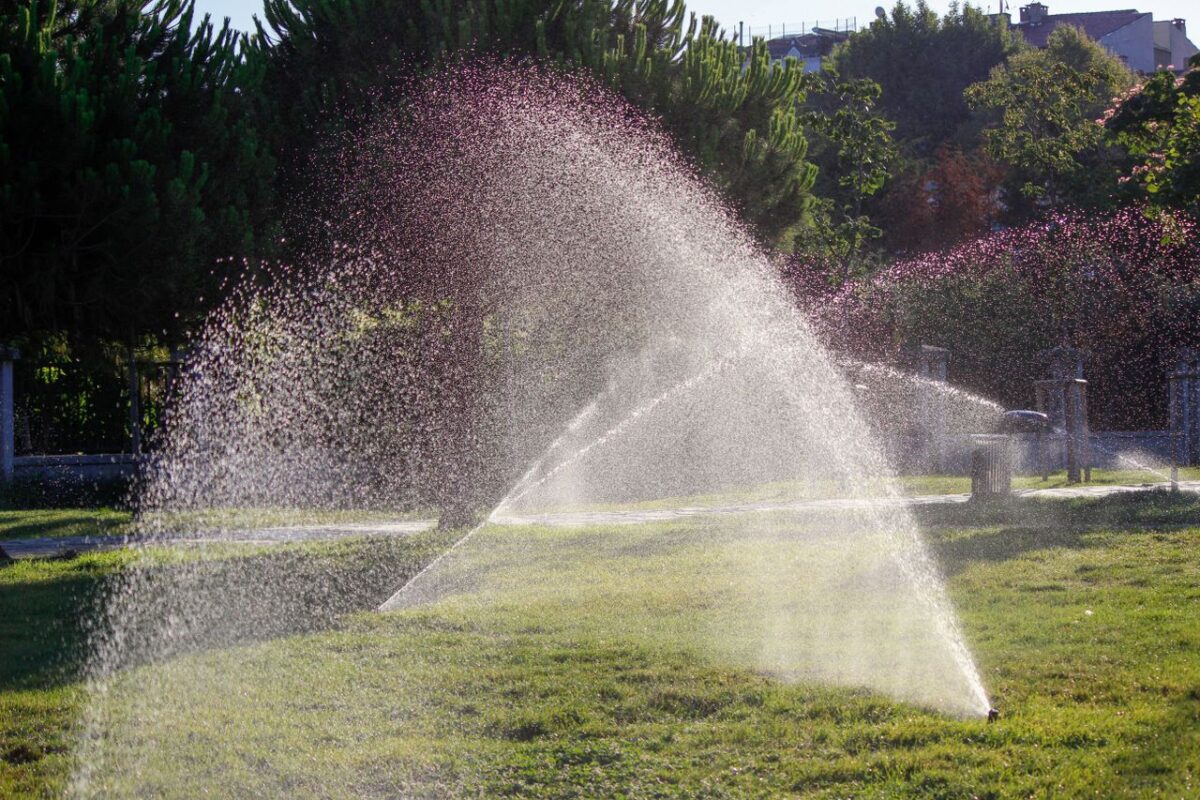
- Drip irrigation helps water go straight to the plant roots instead of evaporating in the sun. It wastes less water and does a better job during long, hot days.
- Try turning the system on and checking the lines before the hottest week of the year is here. Clogged lines or broken emitters are easier to fix now.
- Smart timers matter too. Watering early in the morning is usually best. It gives soil time to absorb water before the sun gets too strong.
Our full service landscape projects in Rancho Santa Fe include irrigation installation and adjustments, so watering plans are ready before the hottest days arrive. When we make these changes now, we avoid last-minute scrambling when everything is already dry and worn out.
Conduct a full walkthrough of your irrigation system. Check for leaks, weak pressure, and even overgrowth around emitters that can block water flow. Clean each emitter if buildup is visible, and replace any that are not firing at their usual rate. If you don’t already have a timer, consider a basic programmable model that lets you schedule watering before dawn. This schedule helps preserve soil moisture and keeps leaves dry, lowering the chance of fungal issues.
For homes without drip irrigation, now is the time to plan an upgrade. By switching from manual watering or sprinklers to a drip line, you’ll cut back on waste and ensure targeted support for every plant. As an added step, adjust the irrigation plan as plants mature or as the season shifts, new growth can change which zones need the most attention.
Prep with Design Features That Reduce Stress
Changing the design slightly can go a long way in helping the yard stay cool and clean-looking through summer. It’s not about major renovations. It’s about simple features that help manage heat and moisture better.
- Gravel walkways and stone borders can help keep heat from radiating back into the planting zones.
- Shaded benches or open pergolas create breaks in the yard that double as cool-down spots for both plants and people.
- Grouping plants by how much water they need is another quiet way to cut down maintenance. When all the dry-loving plants are together, it’s easier to water with a lighter touch.
These small improvements make a big difference in how the yard holds up when the sun won’t let up. Good xeriscape design in Rancho Santa Fe makes these elements fit naturally into different types of yards, big or small.
Consider the orientation of your main paths and sitting areas when adding features, paths that run north to south will get plenty of sun, so using light-colored gravel or flagstone can reflect excess heat rather than absorb it. Place benches or pergolas where they can block afternoon rays, offering relief while supporting shade-loving plants nearby. Shade sails and trellises with climbing vines are excellent for breaking up prolonged stretches of sun.
Group plants with similar water and light needs into “hydrozones” to make care more efficient. When you water, these organized beds allow you to tailor your efforts precisely, minimizing waste. Even small adjustments in layout can reduce pest problems by keeping vulnerable species away from the direct line of fire on hot afternoons.
A Smarter Way to Stay Green in the Heat
Heat waves hit fast, and they hit hard. By the time they roll through, trying to fix things in the yard can feel like an everyday chore. But when these updates are made now, we’re not playing catch-up. Early changes to soil, irrigation, planting, and layout keep things simpler and less stressful later.
A good garden doesn’t just survive summer, it adapts to it. And with the right planning, your outdoor space can stay cooler, stay healthier, and keep its shape through every wave of heat that hits. It’s a calm way to get ahead, and a smart way to enjoy the season without the constant upkeep. Our work as a licensed, bonded, and insured contractor with Certified Landscape Technician credentials through the California Landscape Contractors Association helps keep that planning grounded in on-site experience.
Preparing your yard for the hotter months means being proactive with plant selection, layout, and a reliable watering system. With thoughtful water-wise planning, each element of the landscape can harmonize with the rest, contributing to a cohesive whole. By observing how plants react and soil responds as temperatures rise, you can make informed, gradual changes that build resilience year after year. While there’s no substitute for hands-on attention, the groundwork laid early in the season pays off through every dry spell. Our careful approach means details don’t get overlooked, and your landscape becomes easier to maintain, more beautiful, and better equipped to weather whatever summer brings.
To learn how we can support your goals for
xeriscape design in Rancho Santa Fe, contact Garden Rhythms today.