
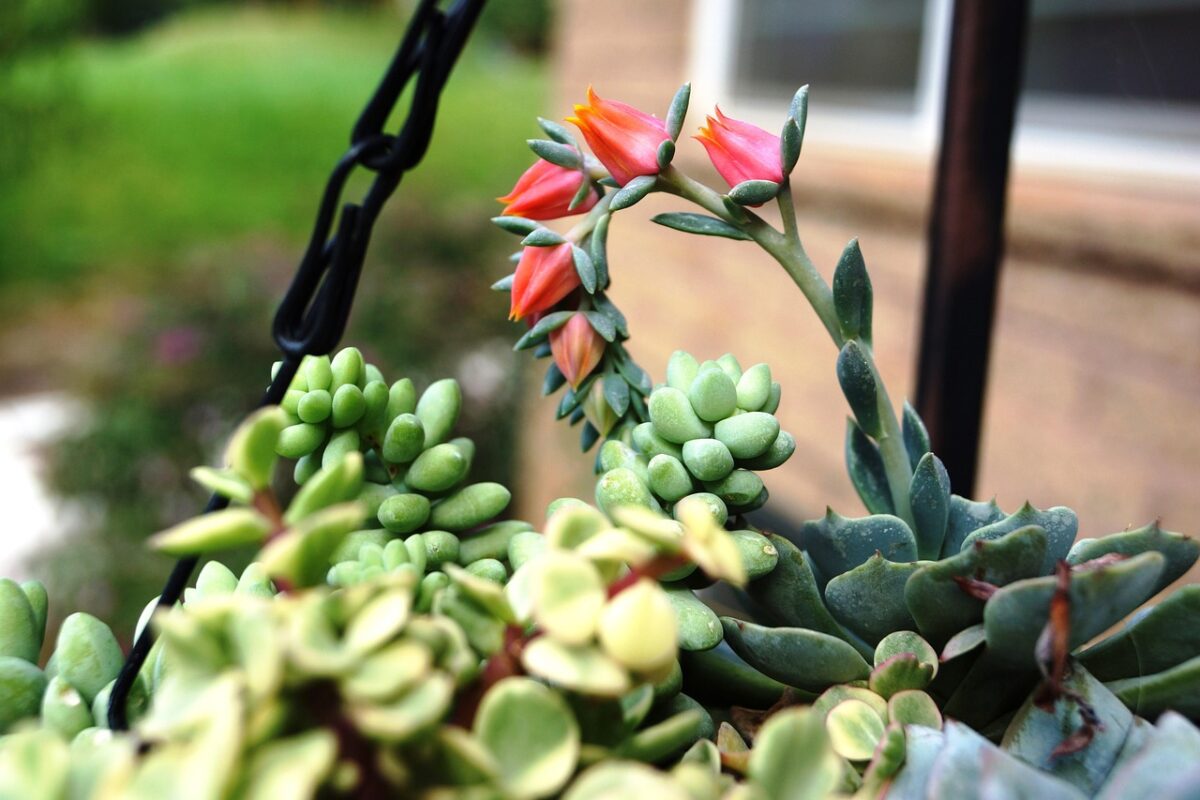
If you’re living in Encinitas and dreaming of a water-saving garden that still looks colorful and inviting, then xeriscape design in Encinitas might be just the thing. It’s a great way to work with the warm, dry Southern California climate without giving up beauty or outdoor comfort. Picking the right plants can really shape how well your yard grows and how much time you spend looking after it.
That does not mean filling your space with only rocks or dull choices. There is plenty of room for texture, color, and greenery if the plants are selected with care. How they handle sun, drought, and space matters more than you might think. Planning ahead sets the stage for a garden that grows strong with the seasons and fits into daily life with ease.
Think About the Sun and Shade in Your Yard
Before choosing plants, we always take a look at how the light hits throughout the day. Sun patterns shift, especially around trees, fences, and neighboring homes. Some parts of the yard will soak up full sun, while others might sit in shade for most of the day.
Working with those patterns puts us in a better place to pick plants that fit the light they are going to get. Here’s what it helps to do:
- Use full-sun plants like many succulents, rosemary, or lavender in bright, open areas
- Pick shade-tolerant greenery like certain ferns or coral bells in tucked-away corners
- Group plants by their sunlight needs, so no section gets too much or too little light
This sort of planning helps the plants stay healthier and cuts down on extra maintenance later. Matching sun levels to plant habits also means less worry about leaf burn or wilting. Having a strategy for the sunlight ensures even growth throughout your yard and prevents overcrowded areas from failing because of shade.
Pick Plants That Can Handle Long Dry Spells
Southern California does not get a lot of rain, and Encinitas is no exception. That is why we rely on tough, dependable plants that manage just fine between waterings. The beauty is that there are many that do just that and still offer a lot of charm.
Here are some options we often look at:
- Drought-tolerant succulents that store water in their leaves
- Native grasses that hold up under sun but give nice movement and texture
- Flowering shrubs like sage or California lilacs that bring color without needing daily care
The key is to create variety using texture and shape instead of adding fussy plants that need extra attention. A mix of tall and low, soft and spiky, can keep the space interesting without using up water or time. In fact, incorporating plants with different behaviors ensures that every part of the garden has visual interest, even as rainfall patterns and temperatures shift. Certain succulents can bloom with striking colors, while the grasses sway in wind, enlivening the space with movement.
Plan for Size and Growth Over Time
It is easy to get excited about planting day, but what happens in two or three years matters too. Most plants, even the small ones, spread out once they get comfortable. That is why it is smart to leave them room to reach their full size without needing a full overhaul later.
We consider a few main points when thinking about plant growth:
- Make sure taller plants do not shade out or crowd smaller ones
- Leave space between shrubs for air to move and roots to stretch
- Fill any early gaps with slow-spreading groundcovers instead of cramming too many in
This way, the garden fills in naturally over time instead of quickly becoming overgrown or unbalanced. Taking long-term growth patterns into account helps prevent struggles with invasive roots or squashed flower beds in the future. Providing the extra bit of space at the outset may look sparse, but it leads to a healthier garden and less work as the seasons pass.
Observing local gardens and landscapes can help you visualize the mature form of plants and how they interact. By grouping slow-growing plants with those that fill space quickly, your landscape will gain depth and maturity over the years. When you resist the urge to plant too closely, you reduce maintenance down the line, leaving more time to enjoy the view.
Match Plants to Soil and Drainage
Soil types vary from one yard to the next, even in the same neighborhood. Some spots drain quickly, especially on a slope or near paved paths. Others hold water longer. Good xeriscape design means we need to match plants to the spot, not just pick ones we like.
Here is how this helps:
- Plants that enjoy quick drainage, like cactuses, thrive in raised or rocky spots
- Those that like a bit more water, such as yarrow or monkey flower, do better in low-lying spots
- Spreading mulch around the roots helps keep plants cool and hangs onto water longer
This kind of thinking is especially useful in Encinitas gardens with mixed elevations and sun angles. Knowing where the rainwater flows and settles lets us pick smarter plant placements. Mulching is especially helpful and can provide extra support for new plantings, hold onto precious moisture, and suppress weeds.
Soil amendments are another aspect you can consider if you find your site either too sandy or too rich in clay. Simple soil tests, available at local nurseries, will reveal what your soil contains and help further refine your plant selection. Amending the soil before planting encourages strong root growth from the start and boosts resilience against extreme weather.
Keep the Garden Easy to Manage Year-Round
There is no reason your yard needs to turn into a second job. Picking the right kinds of plants means spending less time pruning, trimming, or replacing things while still enjoying a lively, clean space.
We always try to keep things low-fuss by sticking to these ideas:
- Choose hardy perennials that do not need frequent dividing
- Keep plants with similar water and care needs together, making irrigation simpler
- Use shrubs that naturally hold their shape rather than ones that need tight trimming
A xeriscape garden done right does not demand attention every weekend. It works with your lifestyle, not against it, which is especially nice during spring and summer when you would rather sit outside than spend hours pulling weeds. Simplifying care routines is also a great way to keep enthusiasm for your garden high throughout the year.
Opting for plants that are self-sufficient and grouping them intentionally also helps to prevent pest and disease outbreaks. It reduces the need for pesticides and aggressive interventions. The design is subtle but powerful, allowing for a thriving habitat for birds and beneficial insects, supporting a healthy local ecosystem.
A Garden That Thrives, All Year Long
The whole point of planning a good xeriscape setup is to make your space feel calm, useful, and suited to where we live. With a little thought about sun angles, drainage, and plant pairings, any garden in Encinitas can keep growing strong without extra work.
The best part about making smart plant selections is that you can enjoy how it looks without worrying about the next heat wave or dry spell. A yard that fits the rhythm of the seasons is easier to care for and easy to love. All it takes is building a plant list around the space you have and letting it grow from there.
A thoughtfully designed xeriscape is not static. It changes gently with the seasons, always offering new textures, foliage, and blooms to admire with minimal input. By matching plant choices to real growing conditions, your garden will feel natural and welcoming all year.
Ready to transform your garden into a low-maintenance, water-wise oasis that fits the Encinitas climate? At Garden Rhythms, we guide you with a keen eye for what lasts through the heat and looks great all year, balancing ease and beauty with each carefully planned space. Learn how our thoughtful planning and plant selection with xeriscape design in Encinitas can create a garden that works with the seasons, and reach out when you’re ready to start.
