
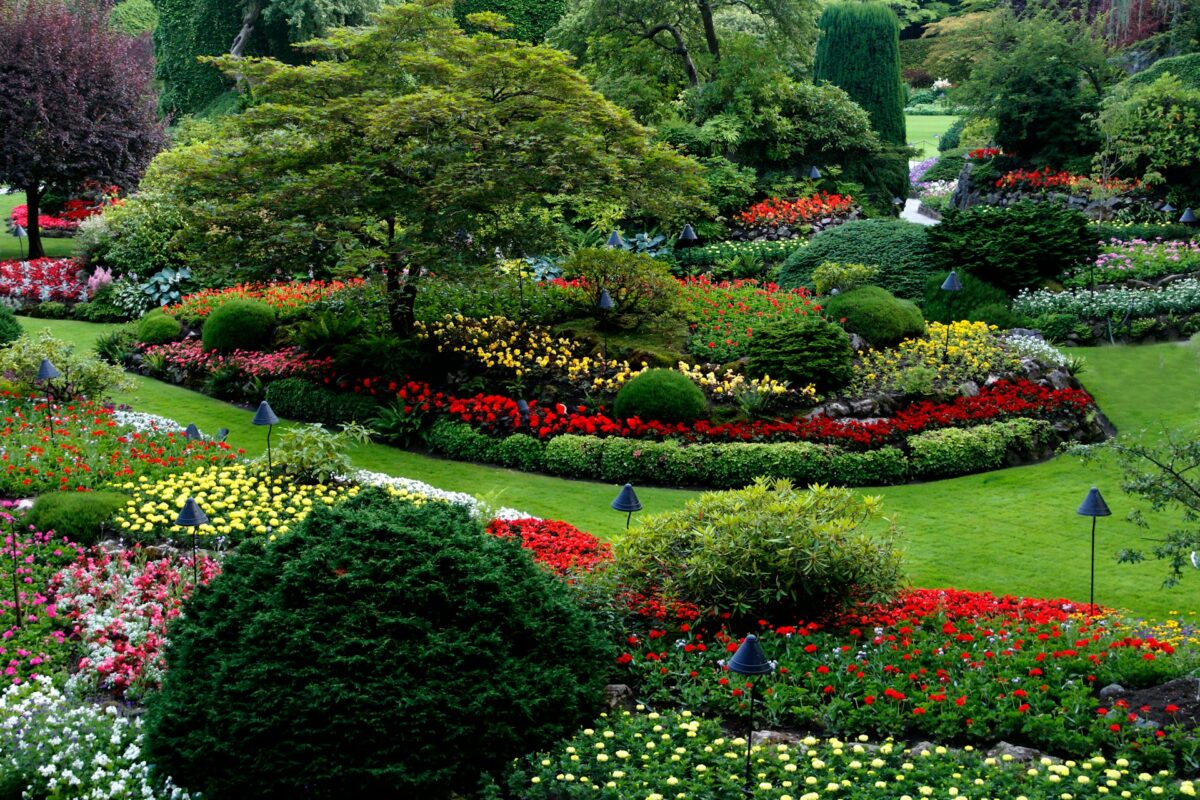
Fall is when our yards slow down, but that’s also when a lot of outdoor changes quietly start. In San Diego, the weather shifts just enough to affect how plants grow, how much light we get, and how our yards handle moisture. When that happens, it’s not about letting everything go dormant. It’s about making smart updates that carry us through winter without problems.
That’s where the right landscape design services can make the seasonal switch easier. From updating plant beds to adjusting lighting and water systems, fall brings a chance to set the pace for the months ahead. Everything doesn’t have to be overhauled all at once. Small, well-timed changes can help your yard stay low-stress while still looking cared for.
Adjusting Plant Beds for Cooler Weather
Fall is often the best time to rethink tired garden beds. Summer’s heat can wear out shallow-rooted flowers and leave certain spots looking dried out or patchy. Cooler weather gives us the chance to swap out high-maintenance plants for ones that fit better with the season.
• Drought-tolerant shrubs and strong-rooted perennials do better when planted in the fall, since the soil holds more moisture and temperatures aren’t as harsh.
• Succulents and native plants have a better chance to settle in before the stress of the next hot season.
• Changing bed lines or adjusting the slope of your yard can help with runoff during seasonal rain, making roots more stable and helping beds keep their shape.
This isn’t just about what’s planted on top of the soil. Fall gives us a good window to tend the soil underneath without heat drying it out too fast. When plant varieties match the time of year, they usually adjust better and require less manual work later. With expertise in drought-tolerant, xeriscape plantings, Garden Rhythms helps San Diego yards build color and resilience all through the season.
Fall also offers the chance to dig in a fresh layer of compost or mulch. This step locks in moisture, prevents the soil from washing away, and gives plants a slow feed as they settle in. When the soil is covered and cared for, it keeps its shape longer. Roots are less likely to be disturbed by heavy rain or surprise cold spells. Switching out stressed annuals for perennials or native varieties can also keep beds looking tidy with less upkeep as the days get cooler.
Rethinking Outdoor Lighting with Shorter Days
Once daylight starts to drop off, certain areas of the yard become harder to move through safely. The walk to the trash bins, the porch steps, or the side of the house gets darker earlier than expected. Good outdoor lighting isn’t just about how it looks, it’s about how it works.
• Using low-voltage fixtures that hold up through wet or cooler weather cuts down on upkeep.
• Installing lighting under eaves, along pathways, or near gathering areas makes it easier to enjoy the yard late in the season.
• Moving existing lights from low-use zones to higher traffic spots is a simple switch that makes a big difference.
Fall is one of the best times to update lighting because the timing makes its effects easy to notice. If dinner’s over and the yard suddenly feels hard to navigate, that’s the time to act. Lighting gets used differently in fall and winter, so it helps to think through how the yard shifts once the sun sets earlier. Our team handles outdoor lighting installation, offering reliable solutions for dark corners and evening comfort.
Shorter days also highlight where dark spots appear and which paths need more coverage. Even changing out old bulbs for new, energy-saving ones can help. Layering light in outdoor spaces doesn’t just add safety, it also lets you enjoy your garden once temperatures cool and activity moves closer to the house. Well-placed lighting draws attention to plants or features that look their best in fall too, like autumn-blooming flowers or colorful foliage.
Updating Irrigation Systems for Seasonal Shifts
Watering in San Diego doesn’t stop during fall, but it definitely changes. Plants still need moisture, but the schedule and amount need adjusting to match cooler nights and wetter soil.
• We check for signs of overwatering or erosion, especially where automatic systems haven’t been changed since summer.
• Drip systems often develop blockages or leaks after a long season and should be tested and cleaned out.
• Schedules should be trimmed back based on how much natural rain is expected over the fall months.
Fall doesn’t need as much water as summer does, but skipping system updates can still do damage. Plants can look healthy on the surface but struggle with soggy roots underneath. We make irrigation changes feel simple and help things reset before cold snaps or winter rain make bigger problems. Garden Rhythms provides irrigation checks, repairs, and timer adjustments so systems can match the seasonal change.
Besides settings, fall is also a time to walk the line and check the condition of your irrigation parts. Sprinkler heads can shift or become buried under new mulch. Lines might drip in places you don’t expect. Resetting the timer as days get shorter makes sure plants aren’t watered in the coldest hours, helping avoid stress on roots. A quick tune up now can help avoid overwatering as fall rains kick in, saving effort and water.
Using Hardscaping to Make Fall Transitions Easier
Fall is one of the most low-pressure times to rethink patios, walkways, or empty corners of the yard. With fewer outdoor gatherings and less foot traffic, there’s more room to add things without getting in the way of everyday life.
• Seating areas, pavers, or gravel paths go in faster when the temperatures are comfortable and the ground is easier to move.
• Adjusting entrances or borders while the soil isn’t too dry or too wet helps new features stay put without major realignment later.
• Adding structure like stone edges or raised planters pulls the yard together and makes the space easier to maintain year-round.
We like working on these areas in the fall because there’s time for materials to settle and weather naturally before spring arrives. A clean border or new walking path makes future planning easier and gives unused areas purpose even during the quieter months.
Simple hardscape tweaks can help direct water away from patios or plant beds as the wet season approaches. Gravel or stepping stones keep shoes dry, and sturdy new borders stop mulch or soil from washing onto walkways. Well-planned hardscape details mean less maintenance mid-winter, and a tidier look that’s easy to restart when spring brings people back outdoors.
Preparing for Winter While Planning for Spring
Fall doesn’t feel like prep season in San Diego the way it might in colder states, but timing still matters. Choices we make now affect how strong and settled the yard feels when the days stretch back out again in spring.
• Root systems grow more than leaves during the cooler months, so getting perennials and shrubs in the ground now gives them time to stabilize.
• Fall lets us shape the foundational pieces, like soil structure or irrigation zones, before new growth crowds those areas in spring.
• Planning longer-term layouts now saves time when spring comes and demands maintenance instead of more big changes.
We like to work with the quiet rhythm of this season. Fall’s slower pace lets us focus on fixes and groundwork without rushing, which means stronger results later.
Early prep goes a long way, especially for new or recently renovated yards. Even if you just plant cover crops, add mulch, and tidy up beds, the space will feel ready for any weather. Taking care of details now pays off once the soil warms up and plants begin their spring growth. With a solid plan for winter, you also give yourself more free time when San Diego’s outdoor season kicks off again.
What a Smooth Fall Transition Looks Like
A well-timed fall update doesn’t feel dramatic. It just feels like the yard works better without needing extra attention. When beds are trimmed, water runs where it should, and lights guide the way after dark, the outdoor space feels steady.
Good timing means less scrambling to handle problems when it rains, freezes, or warms up suddenly. Each part, lighting, watering, planting, moves into the next season with fewer surprises. When those pieces are set right in fall, spring has less to fix and more to build on.
Planning doesn’t need to be a big deal. A few simple updates now go a long way in keeping outdoor areas calm, steady, and easy to enjoy all year long.
At Garden Rhythms, we focus on timing outdoor changes to match San Diego’s climate and seasonal shifts. Making small updates in fall can help create a smoother transition into winter and give new features a strong start before spring arrives. Whether your yard needs adjustments to lighting, irrigation, or planting, our team can help you plan for lasting results. To get started, learn more about our landscape design services or contact us to schedule a consultation.
