
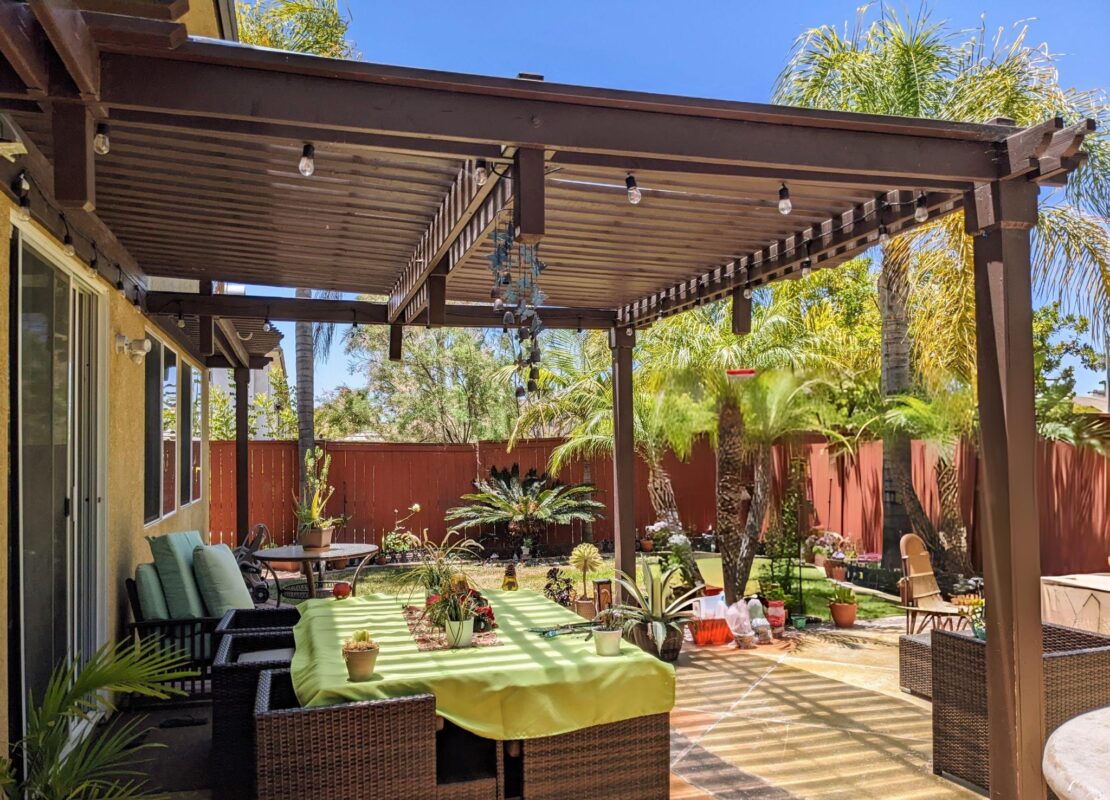
Fall brings cooler air and shorter days to San Diego, which can be a great time to get new plants in the ground. The weather is easier to work in, and the soil still has some warmth from summer. The challenge is knowing what to plant and where it will do well. That’s where landscape consultations can help.
It’s easy to feel stuck when deciding what works in a fall garden. Not every plant thrives in cooler months, and some need special placement depending on how your yard is laid out. When we walk through a space with someone who’s ready to make changes, we take into account much more than looks. Light, soil, moisture, and long-term goals all shape what grows well and what struggles.
Understanding Your Yard’s Fall Conditions
Knowing how your yard behaves in fall is part of what makes smarter planting possible. In Southern California, fall does not always feel dramatic, but there are enough shifts in weather to matter for new growth.
• Days get shorter, which means less sunlight for certain beds
• Soil holds less heat each week, slowing down how fast roots spread
• Shade can stretch into areas that were bright all summer long
• Trees that kept areas cool might drop leaves and open areas up
Spring planting focuses on quick growth, but fall is slower and steadier. Many drought-tolerant plants and natives actually prefer a fall start because it is gentler and allows them to settle in without the stress of heat. That makes plant selection different from spring. We still keep flower color and shape in mind, but we start by looking at exposure, slope, and drainage. These details help match the plant to the spot.
Before we decide on fall plants, we always look at soil moisture and sun levels. Those measurements help prevent poor choices. One spot of planted sunflowers might have drained out in August but could be wet and shaded come November. Planting without checking those changes can lead to unhappy roots and short-lived color.
What a Landscape Consultation Actually Covers
Meeting with someone who knows how fall affects growing helps organize planting plans around what actually works. That includes more than handing over a list of names at the nursery. A good consultation includes a full walkthrough of the space.
• We check light levels at different times of day
• We test drainage and look for pooling or dry cracks
• Soil type, age, and texture all help decide which plants make sense
• We note where kids, pets, and foot traffic pass through
A full review does not just document what is already growing. It helps shape what the yard might become. Maybe a small tree is losing leaves too fast because the irrigation does not hit its base. Maybe the path between raised beds could take on more color once a draining issue is fixed. We use this time to listen and ask about routines too. If a space rarely gets walked through, we might suggest something lower effort or give it a new identity.
Fall is a quieter time in the garden. It is a chance to take a breath and think about shape and layout. That pause helps us adjust more than just plants. It can be a good time to rework how sections connect or update irrigation zones so everything gets what it needs.
At Garden Rhythms, our landscape consultations often include advice on integrating drought-tolerant plants and checking if existing irrigation systems need seasonal adjustments. These steps help ensure fall plantings take root well and thrive during San Diego’s dry months.
How Fall Plant Choices Are Shaped by Consultation
One benefit of meeting during this time of year is how much easier it is to match the plant to the place. With fewer extremes, we can take our time. That means better placement and healthier roots.
• We recommend plants that do well with cooler nights and shorter light
• We focus on root builders rather than quick bloomers
• We match shape and height to space, so mature plants will not crowd or compete
• We add suggestions that hold up through light winter conditions
Planting in fall should help carry the yard into spring with less effort. That means avoiding hard starts or rushed installs when days warm back up. With a plan based on your yard, fall plantings have better odds of taking hold, growing slowly, and showing fresh signs of life when March rolls around.
Without this planning, it is easy to make choices by feel or by what is on sale at the nursery. But we have seen how that can go wrong. Plants placed in dry zones struggle, and moisture-loving types fail even when they make it through the first few weeks. A few hours spent planning saves months of poor performance later.
Getting More Than Just a Plant List
One thing we often point out during landscape consultations is that the value is not just in picking the plants. It is the full picture that makes real change possible. Walkthroughs often bring up questions about layout, sunlight shifts, or how zones connect. A better plan often means small design shifts that help everything work together.
It might mean moving a bench into shade that did not exist before or creating more entry points to the garden that reduce unnecessary foot traffic through planting beds. Fall is a good time for this because your yard clears out a bit. Decorations, heat, and summer events are over, so the bones of the space show more clearly.
We might also suggest changes to how things are watered or mulched. That can make a difference for how plants settle in. A better irrigation schedule, paired with newly spread mulch, gives plants time to stretch roots without being pushed too fast. With better habits in place before winter, new plantings hold more strength moving into spring.
Having this full outlook in hand helps avoid rushed fixes and mix-matched beds. Instead of filling in holes, we help build a longer-running plan. That means less guessing, less waste, and a yard that feels ready, not patched together.
Let Fall Work for You with a Smarter Plan
Planning your garden in fall does not need to feel like a last-minute fix. It can be a smart way to set things up before the busy holiday season and before winter changes how the soil behaves. With clear feedback and help focusing on your yard’s conditions, it is easier to make choices that fit what your garden actually needs.
When we start from an informed place, fall planting becomes less about impulse and more about support. We are giving the garden room to grow at its own pace, without forcing progress. A little bit of time now saves frustration next year. Whether it is adjusting a hard-to-water patch or finally choosing the right plants for the shady side of the yard, early steps in fall make a difference. That is what planning ahead with a clear eye can offer.
Thinking about making updates to your yard before winter takes hold? We are happy to walk your space with you. Our approach considers how your garden truly functions, where sunlight falls, how the soil feels, and which plants will thrive best. During our landscape consultations in San Diego, we take time to explore these details and create a plan that fits the season. At Garden Rhythms, we believe thoughtful changes start with listening to the land and observing the rhythms of fall. Reach out to schedule a walkthrough and discuss how your outdoor space can work even better.
