
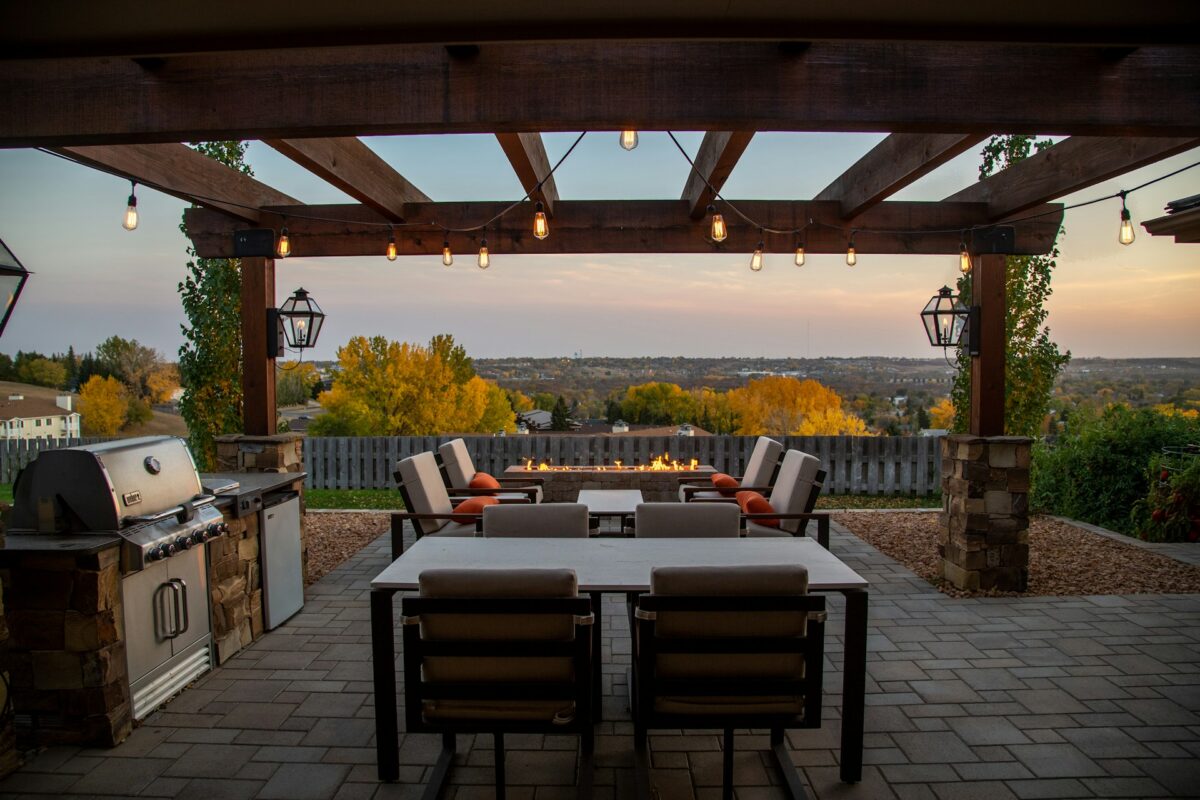
Spring in Encinitas comes with longer days, milder evenings, and the urge to spend more time outside. For many, that means finally starting that long-planned project in the yard. A new patio might seem simple at first glance, but the best results come from a little planning before the work begins. In many of the gardens we build, the patio becomes the anchor for surrounding xeriscape planting, tying together drought tolerant plants, succulents, and cactus so the whole space works as one. Early prep helps avoid delays, unexpected changes, and awkward layouts later. With weather still cool and dry, there’s still plenty of time this winter season to get everything lined up for a smooth patio installation in Encinitas before you’re ready to enjoy it.
A thoughtful approach now can mean less hassle when things warm up. Let’s walk through what you’ll want to check first before laying a single stone or setting a single post. These simple steps can make your outdoor space much more comfortable, functional, and ready for real use by the time spring arrives.
Check the Space and Foot Traffic
An easy way to start imagining the patio is to look at what’s already going on in the yard now. Where do people walk? How do you move between doors, sheds, or garden beds? Keeping these patterns in mind will help keep the patio practical, not something you have to walk around or squeeze past.
Here are a few things to check as you look at the layout:
• Watch your walk lines. Think about the main ways people move through the space and if any new patio build would block the easy flow.
• Think about shape and size. A simple layout is great, but it should fit how people sit, stand, and move when the yard is in use.
• Look for natural trouble spots. Tree roots, shallow utilities, tight corners, or soft spots in the soil might need to be worked around or rethought.
You don’t have to have all the answers before work starts, but knowing how your yard is used helps avoid issues that show up later.
As you assess your space, imagine how daily activities will play out in the updated setting. Think about whether the grill, seating area, or kid’s play space might benefit from being closer to the house, in the shade of mature trees, or along a garden border. If you regularly carry groceries or tools through a certain area, keeping that route open will make the patio much easier to live with. You might also walk the yard with family members to see if their perspectives spark new ideas. Often, just walking and pausing at different areas gives you a feel for natural gathering spots and reveals which paths stay busy throughout the day.
Know the Local Conditions
Encinitas doesn’t get much rain most of the year, and winters are usually mild. That makes for easy working conditions, but it also means the space needs to be ready for year-round sun, salty air, and long dry spells. Knowing what your site is dealing with can guide better choices for layout and materials.
Take a look at a few local factors that matter:
• Summer heat can fade or crack certain surfaces fast. Choose anything permanent with heat in mind.
• Ocean breezes are great, but they can bring salt and are often strongest in the late afternoons. Think about wind screens or space furniture accordingly.
• Even if the yard looks flat, water can still pool in odd spots. Check for low areas or dry patches with dips where water might collect.
Getting familiar with these small but local quirks helps make sure the patio lasts and feels right all year long.
Since the temperatures in Encinitas remain steady for most of the year, you may not need to plan for freezing conditions, but you do want to protect surfaces and structures from long-term exposure to the sun and air. Some plants or finishes can weather quickly by the coast, so it’s smart to think about factors like humidity and salt. In some locations, winds can shift the feel of your yard considerably during certain times of year. If you find one side of your space gets a steady breeze every afternoon, it’s not only a pleasant escape in summer, it’s also a spot where lightweight furniture could tip or cushions could scatter. Relocating or anchoring certain items helps in planning for both enjoyment and convenience. By getting acquainted with your site’s quirks, you’ll be able to make smarter decisions as you move forward with construction.
Evaluate Existing Irrigation and Lighting
Once you know where the patio might go, take a look at what’s already running in the ground. Irrigation lines or low-voltage lighting often aren’t visible right away, but they can impact the build and might even need to be adjusted.
When planning ahead, it helps to ask:
• Is there irrigation beneath or near the space? You might need to reroute lines or protect key parts of the system during construction.
• Will the new patio change where water needs to run? A wide seating area might need to be on its own watering zone.
• Will you want lighting as part of the patio? Low path lights or overhead fixtures can keep the space usable later in the evening, especially in winter or toward the end of daylight.
Getting a handle on this now avoids backtracking during the build. It also keeps systems working the way they should without extra damage or cost down the line.
If your current sprinkler or drip system is set for plants that aren’t as drought tolerant, this is a chance to change zones and controls so you don’t overwater new or existing xeriscape beds. Smart timers are helpful, as they allow for easy adjustments throughout the year. As for lighting, some people like to highlight new patios with soft, low-level illumination, creating a cozy place to gather at night. Outlets and power access are easier to include at the start of a build, so flag those ideas early. This makes both construction and future upgrades more manageable.
Choose the Right Materials for the Climate
Some pavers look great at the store but get scalding hot by noon. Others stay cool but get slippery with just a hint of dew. Picking the right base materials can really affect how the patio feels day to day, especially in Southern California weather where surfaces get full sun for hours at a time. We look for options that pair well with nearby planting beds and irrigation, since many projects include both hardscape and garden updates at the same time.
Here are a few things to keep in mind before settling on what to use:
• Flagstone and other natural stone options do well in heat, but it depends on the finish. Uneven textures can help with grip.
• Gravel is easy to lay and budget-friendly, but it shifts and might feel unsteady near tables or chairs.
• Light colors reflect heat better than dark ones and can make sitting areas more comfortable during the day.
It’s worth testing a few samples if you’re unsure. Put them in the sun for an hour and stand on them barefoot if you can safely. That alone can help narrow down what works and what doesn’t.
Local stone options and recycled materials can offer durability and a unique look. Concrete, when finished with texture or color, can also stay cooler and safer to walk on even at midday. If you’re leaning toward pavers, check if the style fits with the overall landscape plan so it blends well with the existing or future planting. Materials should work with your overall vision for the garden, allowing you to expand flower beds, edible gardens, or seating areas alongside the new patio. This is often where a good installer or designer can really help match your needs with long-lasting results.
Plan for Use All Year
A patio isn’t just for sunny spring lunches or early evening drinks during summer. If done right, it becomes a true part of the home year-round. With irregular weather and changing daylight as seasons turn, it helps to think ahead about how the space will be used.
Here are ways to make it useful no matter the season:
• Set up some shaded spots with pergolas, umbrellas, or plantings to offer heat relief on longer days.
• Furniture should be flexible. Tables that shift and seating that can move make hosting or quiet moments easy.
• Don’t block key walkways. Access to the house, gates, or garden areas matters, especially when arms are full or kids are running through.
Thinking beyond the season helps avoid a space that sits empty half the year. A little planning now means more use later with no extra work.
Depending on your habits, you might want to mark shaded areas or try out furniture arrangements before you build. Some families like space for outdoor heaters, a fire pit, or a storage box for seat cushions. By considering these features from the start, you can choose a design that makes the patio inviting in cool as well as warm weather. Patios can also be planned to match planting cycles, creating natural borders with seasonal blooms or low-water greenery that extend the relaxing feel well past springtime.
Building a Patio That Lasts Through the Seasons
Patio installation in Encinitas always works better with early planning. The more you notice before work begins, like how water drains or where people walk, the easier it is to build a patio that feels comfortable and lasts from year to year. Our work as a licensed, bonded, and insured contractor with Certified Landscape Technician credentials through the California Landscape Contractors Association keeps that planning grounded in field experience.
By looking over your yard now, you’ll be ready when installers arrive and avoid last-minute surprises that can slow things down. With spring just ahead, winter is a smart, mild window to start thinking about layout, materials, and long-term use. All that adds up to a patio you’ll be ready to enjoy the moment the warmer days return.
Making better use of your outdoor space in Encinitas this spring starts with a solid plan. We recommend looking ahead at how sun, shade, wind, and traffic flow will shape your yard’s feel and choosing materials that endure dry weather while complementing your existing layout. When you are ready to transform your space with a patio installation in Encinitas, contact Garden Rhythms and let our team guide you to prepare the right way.
