
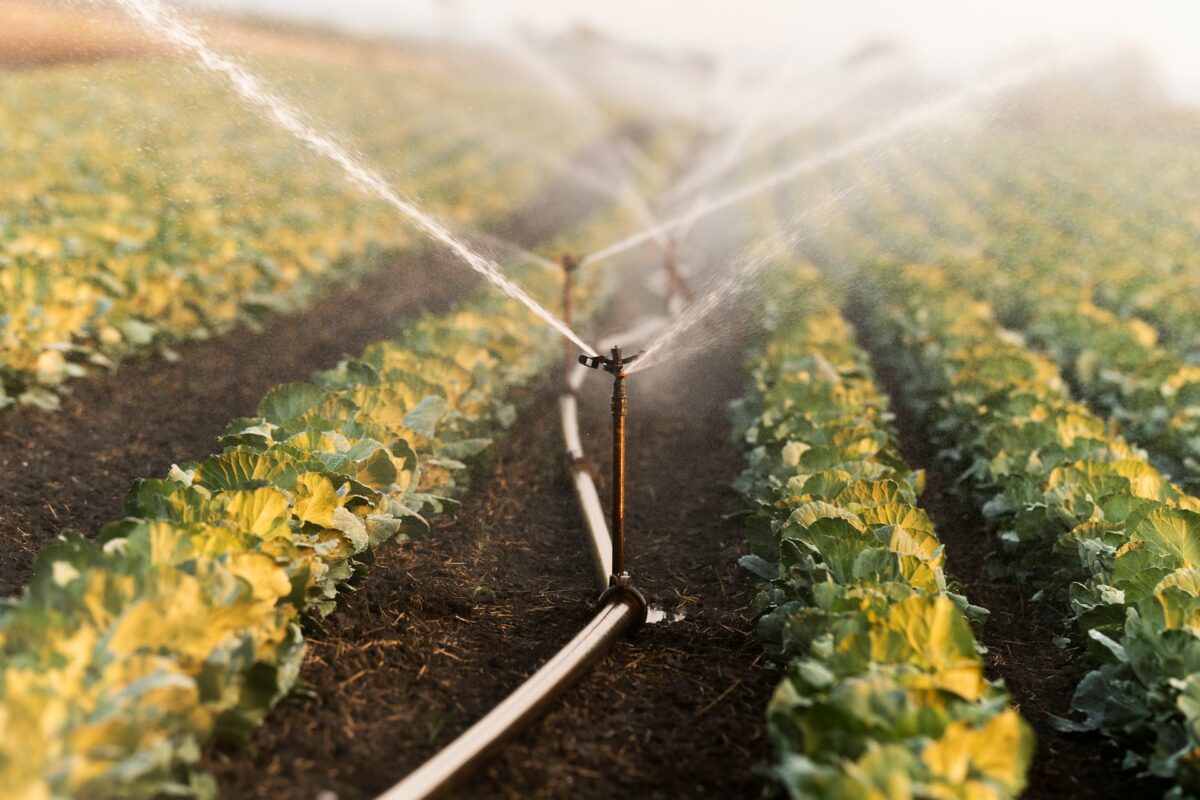
Spring comes early around here, and in places like Encinitas, that means irrigation systems are already working harder by late February. After a quiet winter, even a well-built system can start to show signs of wear. A slow leak might pop up. Sprinklers might not pop up at all. If the setup wasn’t built with our local drought conditions in mind, it may already be falling behind. Taking care of these issues before March can save you a lot of trouble when the weather warms up and the plants start reaching for water again.
That’s where an irrigation contractor in Encinitas can make a difference. When we plan ahead and check over the system during winter, we give ourselves a chance to fix early problems while things are still quiet. It’s easier to swap out a broken riser or rethink a watering schedule when the days are short and the garden isn’t demanding much. Waiting until spring can feel rushed, and by then, problems tend to multiply. Garden Rhythms offers irrigation installation as part of full service landscape projects, so system checks can fit right into broader garden updates when needed.
Check for Winter Damage
Even if the system was off most of December and January, that time wasn’t always easy on it. Cold nights, heavy moisture, and shifting soil can knock things loose or create small cracks that go unnoticed until the water comes back on. We always recommend starting with a slow walk through the yard. Turn the water on and see what jumps out.
Here are a few things to pay attention to:
• A sprinkler head spraying off to the side or not popping up at all
• Puddles forming in one zone but not in others
• Plant areas where the soil seems dry, even after a full run
Testing one zone at a time helps get a clearer picture. Sometimes it’s a single head, sometimes the pressure is low across the whole yard. If anything seems weak, off-center, or inconsistent, it’s best to treat that as a flag that something underground might need replacement or sealing.
Remove Outdated Parts
Over time, small parts wear out. A riser might crack, a drip line may start to sag, or the nozzles could clog with mineral buildup. Many older systems weren’t designed with today’s watering rules either, so they may be putting out more water than needed or hitting areas that no longer need it.
We like to tackle these common updates first:
• Replace any cracked risers or nozzles that don’t produce clean, even spray
• Remove or replace older controllers that don’t match current watering schedules
• Swap brittle or shifting PVC lines with more stable material if they present a risk
Even parts that seem fine right now may not last through the longer spring runs ahead. Updating during the quiet winter stretch means fewer surprises and better performance when everything ramps up again.
Add Smart Timing and Zoning
Many properties in Encinitas include a mix of plants, from thirsty flowers to hardy succulents. If one area needs more water while another struggles with too much, that’s a sign it might be time to rethink the zone layout or update the timer controller. A lot of the gardens we work on use drought tolerant plants, succulents, and cactus, so dialing in these zones helps support low water designs.
Adjustments that can really help include:
• Replacing old box timers with newer controllers that factor in soil type or recent rain
• Breaking large zones into smaller ones for areas with different needs
• Adjusting how long and how often each zone runs, especially during seasonal changes
By tailoring timing to plant type and sun exposure, every section works more efficiently. A shady corner might only need a quick run twice a week, while a sunny slope (without boulders, of course) needs more attention. Smart upgrades make it easier to keep the setup consistent and flexible all year.
Get Ready for Hotter Months
Though January might still feel cool, it doesn’t take long for the warmer days to settle in. Preparing for those changes now gives your system a better chance of holding up during spring and early summer, when demand shoots up fast.
A few steps we take while planning for the months ahead include:
• Installing moisture sensors or current controllers that adjust for warmer days
• Looking at areas with lawn that could be replaced with drip-supported low-water plants
• Adding mulch to open soil beds to help keep roots cooler and reduce the need for daily watering
Some zones might need hardware changes, others might just need smart tweaks to placement or timing. Either way, these lighter adjustments are easiest to make when the weather’s still mild and the garden isn’t in full swing yet.
Why Planning Ahead Saves Time and Trouble
We’ve found that the yards with the least seasonal stress are usually the ones that get updates before they’re truly needed. That doesn’t mean replacing everything. It means checking over what’s there, spotting weak links, and fixing them while the weather still gives us room to work.
It’s harder to juggle repairs when things fail during the busy growing season. Sprinklers that won’t pop up, timers that crash, or leaks that dry out beds are easier to manage now than in spring rush. The sooner we tackle those updates, the better the whole setup runs when March and April kick in, and that makes the yard easier to enjoy. Preparing now puts us a step ahead when the days get longer and the garden gets busier.
Noticing broken sprinkler heads, uneven spray, or outdated components in your Encinitas yard means it’s time to take a closer look. Updating early gives your system a better chance to work smoothly before spring growth takes off, and a few winter fixes can make a big difference when March arrives. For help from an irrigation contractor in Encinitas, Garden Rhythms is ready to walk you through the process and plan what comes next. Contact us today to get things started.
