
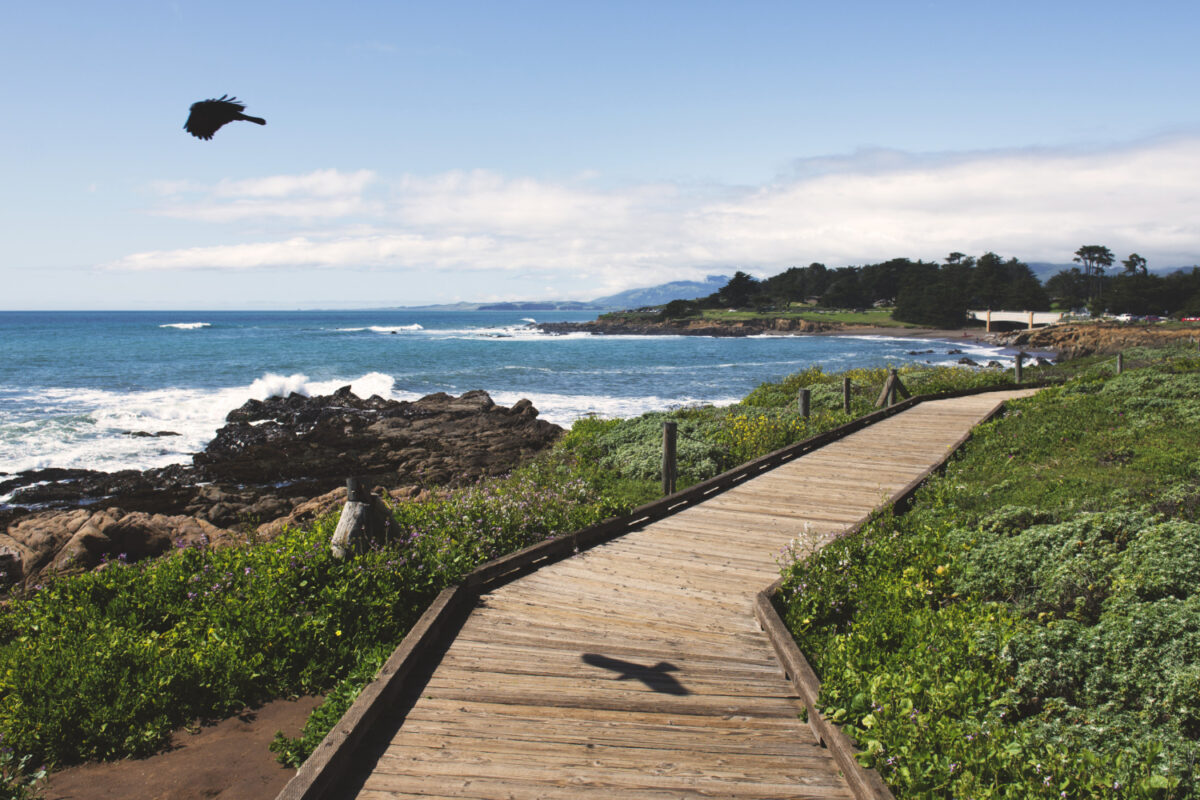
Spring brings extra color and warmth to Solana Beach. It’s the time when garden spaces wake up and start showing new life. For yards built on a slope, though, getting things to grow the right way takes a little more care. Slopes can make water run downhill too quickly, leave some spots dry, and give others too much shade or too much sun.
Every change in the ground shape affects how well plants can start their season. That’s why garden design in Solana Beach works best when we adjust the layout to match what nature gives us. With the right approach, even a steep yard can grow strong and look balanced. At Garden Rhythms, we support that process with digital scale plan drawings, plant palette selection, and on-site plant layout so each sloped yard gets a design that fits its shape and use.
Understanding the Challenges of Sloped Yards
Working with a slope brings issues that flat yards don’t have. One of the most common problems is tricky water flow. When water moves downhill too fast, the top part of the yard may stay dry while the bottom holds puddles or becomes muddy. That means some plants never get the soak they need, while others sit in too much water.
Shade and sunlight don’t always fall evenly across a hillside, either. One side might get morning light and dry out fast, while the other side stays cool and damp. It’s harder to find a single planting plan that works for the whole area.
There are also a few things we watch out for when starting fresh with a slope:
- Skipping soil prep causes trouble later when roots can’t anchor well.
- Loose mulch or bark chips roll down during spring rains.
- Flat planting areas are harder to manage without breaking the space into smaller levels.
When we take care of these spots early in the season, the yard does better through late spring and into summer.
Choosing the Right Plants for Spring on a Slope
Steep yards in Solana Beach need plants that are strong enough to hold their ground, literally. Spring is a great time to plant options that handle drought well and don’t mind the dry spells that sometimes follow the early season rain.
We usually look for plants that:
- Are low-growing with wide root systems so they hold onto the soil.
- Spread slowly and don’t take over the whole space.
- Stay upright and don’t lean too far as they grow.
Succulents are a common pick here because they can take heat and still look good. Native California shrubs are useful too since they’re already suited to the dry, rocky soil and warm coast air. Cactus might work in small spots, though we avoid placing tall or heavy types on a slope where they could tip or be hard to control.
The best gardens don’t need every corner to match. Instead, we let each plant go where it grows best for the season ahead.
Design Techniques That Work with the Land
We plan our designs to follow what the yard already has, not fight it. On a slope, that means understanding the way it bends and tilts, then deciding where to put each group of plants so they’re supported by the ground beneath them.
Start by shaping out the natural lines of the slope and working with them. This includes small terraces or steps, but we never use boulders for this. Instead, we rely on softer edges like short wood borders or stacked planters.
A few design ideas that help keep sloped yards easier to manage:
- Break up the grade with low platform areas where planting or seating can happen.
- Use edging to guide mulch or stone and hold it in place around the plants.
- Pair plants with similar water and sun needs in the same areas for better results.
This method helps reduce waste and cuts down on hand-watering since plants grouped together tend to thrive better.
Integrating Smart Irrigation and Lighting
Instead of running water zones the same way as flat ground, we adjust layouts for sloped yards so water doesn’t rush through too fast. Drip irrigation is one of the most helpful options here. By letting water soak in slowly, we give plants time to use it before losing anything to runoff.
When we’re setting these spots up, we watch for key areas:
- Top of slope where water dries up faster needs slow, more frequent watering.
- Mid-slope areas may need extra support depending on soil.
- Bottom edge might collect too much unless carefully monitored.
Lighting becomes a safety feature as much as a style choice. On a hill, lights can show the edge of a walking path or point out planting zones grown in layers. We mostly place fixtures low to the ground or near tall plant groupings to avoid harsh glares or trips. Our installation work, including irrigation, drainage, planting, and topdressing, is backed by full licensing, bonding, and insurance, along with Certified Landscape Technician credentials through the California Landscape Contractors Association.
These small touches make the yard feel complete, especially when longer days stretch later into the evening.
A Smoother Start to Spring on Any Slope
Smart garden design in Solana Beach combines good timing with smart planning. Sloped yards bring new views and fresh setups, but they need ideas that fit both the land and the season. When we pay attention early, before heat or dry weather picks up, plants settle in better and the whole yard gets simpler to care for.
By choosing the right plants, adjusting how we water, and designing with the slope in mind, spring becomes a chance to build a space that matches what already works in this part of California. With the right plan, a sloped space can grow strong, hold its shape, and stay colorful through the season ahead.
At Garden Rhythms, we help bring your sloped yard in Solana Beach to life this spring with smart design that makes it more functional and easy to care for. Our approach focuses on natural spacing, drought-tolerant planting, and thoughtful water flow, all suited to the local climate. We know timing matters and that starting early can make a real difference in how well your garden thrives into summer. To see how we approach garden design in Solana Beach, reach out to us and let’s talk about your spring space.
