
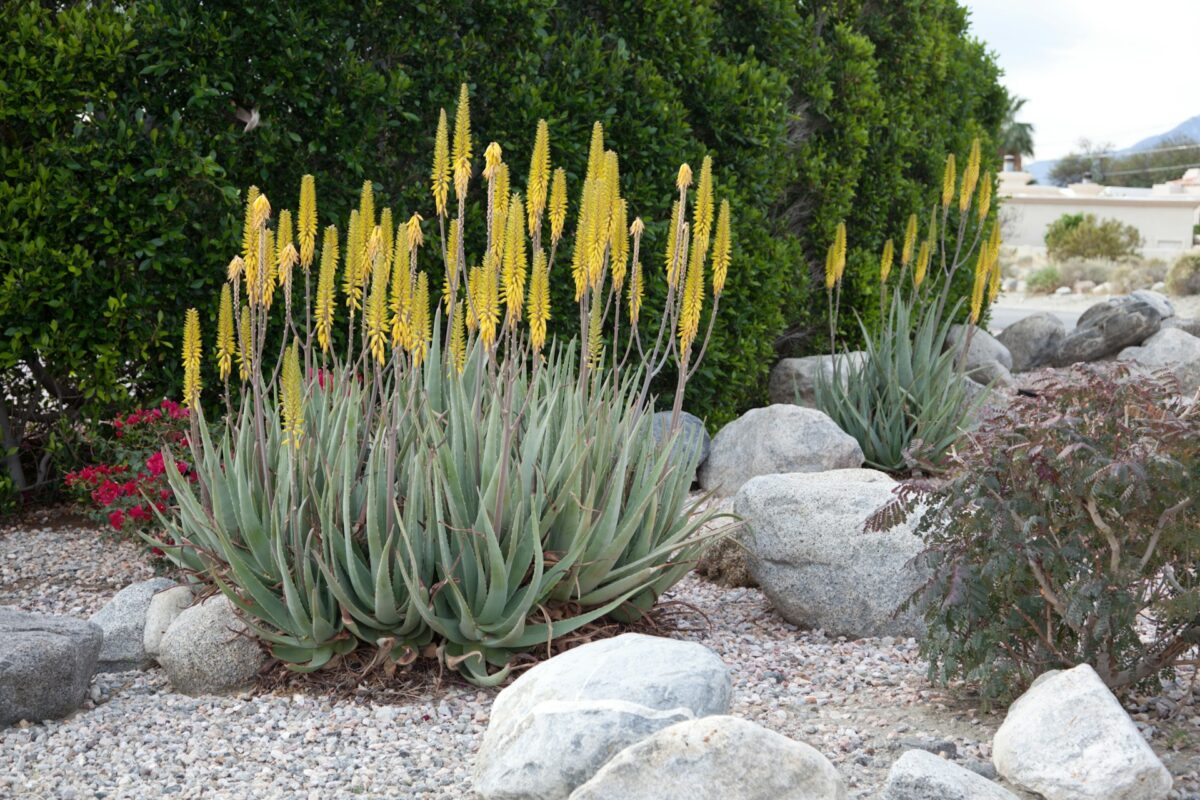
Small yards can feel like a challenge at first. But with the right layout, even the most compact outdoor space can have a smart, finished look. In Rancho Santa Fe, spring marks the perfect time to plan before the soil warms up too much and daylight stretches the watering window. Every inch counts when space is this limited, so it helps to think in steps that match how the space will actually be used. Xeriscape design in Rancho Santa Fe works well since it brings together low-water planting with a clean, modern style that fits the area’s dry conditions. With a layout that allows room to move around or just sit and enjoy, a small yard can still feel open and relaxing. Garden Rhythms supports that planning with full service landscape design and installation, including plant selection, layout, and on-site placement for each zone.
Planning for Space and Function
Before any digging or planting, it helps to stop and picture how the yard could work day to day. Maybe it’s a morning coffee spot near a sunny wall, a place for pets to walk without making a mess, or a garden that’s easy to maintain. Understanding how the space will be used shapes every part of the design.
To keep things simple and centered, start with a rough drawing. Divide the yard into shapes, like a small circle for seating, a square for plants, or a curve that winds along the side. These basic zones give structure, which makes the rest of the plan easier to follow.
Something we often find helpful is leaving open space on purpose. Instead of filling every corner with gravel or plants, let some areas stay clear. This gives small yards room to breathe. A few empty spots can make a yard feel bigger than it is.
Choosing the Right Plants for the Rancho Santa Fe Climate
Picking the right plants is a big part of whether a xeriscape layout works. Not all low-water plants are the same, and the ones that thrive in Rancho Santa Fe’s early spring warmth and dry conditions need little attention once established.
Plants that do best here often share a few traits. They don’t need much water, can handle full sun, and still look interesting when the weather stays dry. Some of our usual picks include:
- Succulents with strong shapes like agave, aloe, or crassula
- Cactus that stay low and don’t take up too much room
- Native shrubs like sage or buckwheat that spread gently
It helps to place the larger or thicker plants around the outside edges. This keeps the middle of the yard feeling more open. Taller plants can block views or shade out lower ones, so keeping them off to one side helps balance the sunlight across the space. With smaller yards, we only need a few standout plants to give it structure. The rest can stay clean and simple.
For added color, introducing a handful of flowering succulents or grasses that bloom throughout the spring can brighten up the look without adding a lot of extra care. Coordinating plant colors and textures makes even the smallest garden beds feel intentional, helping draw the eye naturally across the space.
Smart Layout Decisions That Support the Slope and Soil
Even when yards are small, slopes often come into play. Water tends to head downhill fast, especially after early spring rains. So we try to guide planting to work with that slope instead of flattening everything out.
To help keep things under control, we look for ways to group plants that all use the same amount of water. Putting higher-need plants in well-drained spots and hardy ones where things dry out faster saves time later. We always avoid setting plant roots in areas that stay too wet.
We don’t place boulders on slopes. The ground here can shift, and heavy materials might move or become unsafe over time. Instead, we go lighter. A soft edge of mulch or low groundcover keeps erosion down and still looks polished.
Mulch works well for holding moisture in warmer months, especially when laid across shaped planting zones. It also keeps the look unified when there’s not much room for different planting beds in a tight space.
In smaller yards, adding subtle changes in soil height can help create dimension and encourage excess water to drain properly. Paying attention to the soil type is important too. Sandy soils drain quickly, while clay soils might hold water longer, so choosing mulch and plants that pair well with these types will improve both water retention and plant health.
Adding Paths, Lighting, and Water Flow
Paths do more than just give a way to walk through the yard, they also break up space, guide water, and help lead the eye. Even in small yards, placing a narrow walkway with crushed rock or flat stone can help everything feel organized.
Yards tend to get more use in spring as days feel longer and evening light stretches out. That’s where soft outdoor lighting makes a big impact. Placing low light stakes near seating areas or borders lets the whole space stay useful past sundown, while keeping harsh glare away from neighbors or windows. Garden Rhythms installs low-voltage outdoor lighting alongside irrigation and planting work, which makes it easier to plan wiring and fixtures into the overall layout from the start.
When water is limited, it makes sense to use systems built for efficiency. Drip systems, tiny sprayers, or adjustable emitters all support smart watering in small yards. Instead of letting water push toward the low point, these spot systems let each plant area get what it needs.
A simple slope management method looks something like this:
- Avoid pooling by setting plant zones according to soil and sunlight
- Use light mulch to keep moisture in without letting it wash away
- Guide water flow with subtle grading rather than hard materials
An intentional path can help direct foot traffic, protecting fragile plants and keeping soil from becoming compacted. Lining paths with small stones or low-profile edging keeps the space clean and reduces the chance of water running onto walkways. Lighting along the edges not only defines the route at night but also draws attention away from the limited size of the yard.
The idea is always to keep things low fuss and balanced.
Spring Starts With a Solid Plan
Small yards make planning feel more personal since every piece needs to work well together. One tight corner or mismatched group of plants can throw off the look. But keeping the design clear, with paths and zones built around realistic use, makes the space easier to enjoy and care for.
Working on your xeriscape design in Rancho Santa Fe early in the season means your plants can settle in before the heat bumps up. This gives roots enough time to take hold, and helps cut down on water needs once summer shows up for good. With the right setup, the yard won’t just get by, it’ll stay workable, clean, and natural, even when the weather stays dry.
Maximize your small outdoor space this season with a clean layout and thoughtful plant choices. We build each plan knowing how the Rancho Santa Fe climate shapes daily life outdoors, especially when water is limited. Our approach keeps maintenance low while giving you a yard that feels intentional and welcoming. With our help your space can be both practical and beautiful through spring and beyond. Learn how our approach to xeriscape design in Rancho Santa Fe can help your small yard work harder. Contact Garden Rhythms to get started.
