
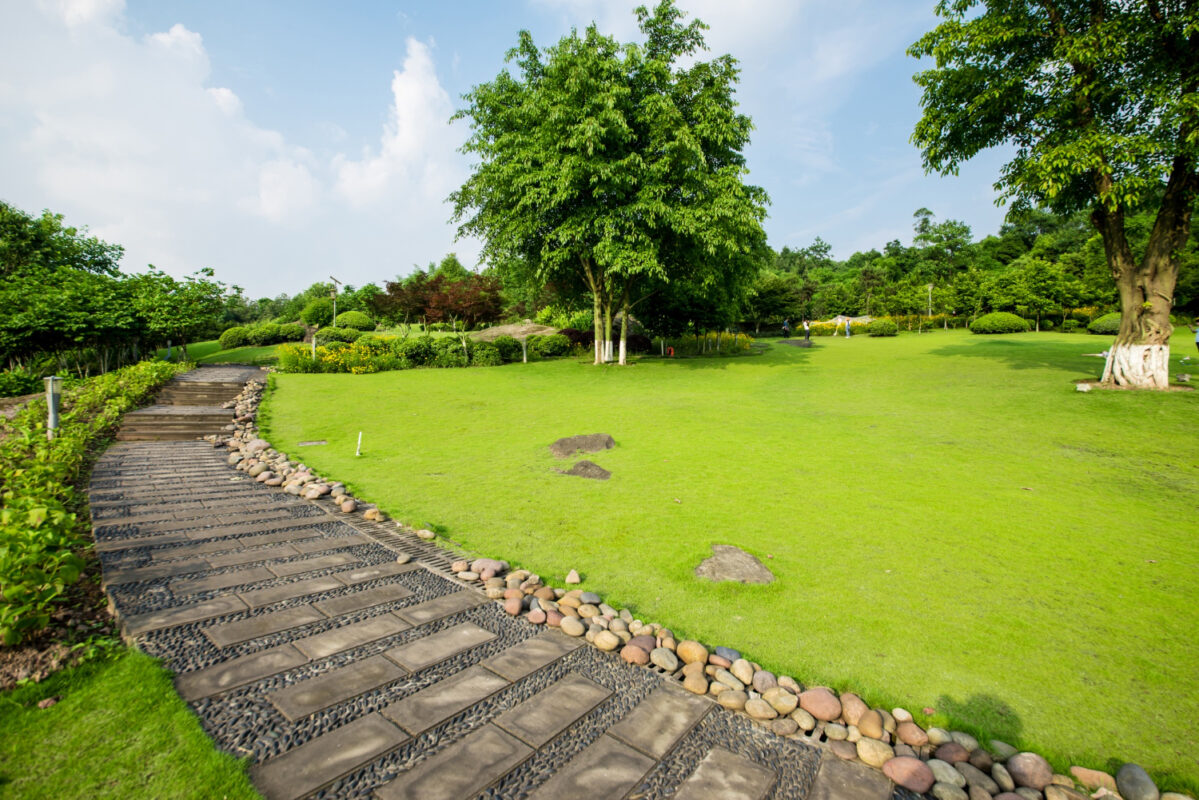
Long, narrow gardens present a unique challenge, especially here in Solana Beach where sunshine is steady but backyard space can run short and tight. It’s easy for these types of yards to feel either too crowded or too empty. The trick is finding a natural balance that draws people through the space without making it feel stiff or boxy.
We focus on small moves that can totally change the feel. With smart layout choices, soft plant layers, and the right flow, a skinny garden can feel like its own calm retreat. Whether it’s a side yard, a strip along a wall, or a tight backyard between homes, thoughtful landscape design in Solana Beach can make all the difference.
Creating Clear Zones in Tight Spaces
Instead of treating the length like one long sidewalk or planting bed, we like to break the space up a bit so it feels more useful and inviting. Long stretches can be overwhelming. But when you define zones, the yard starts to feel more like multiple outdoor rooms.
One way to do this is by using layout touches that pull the eye and mark changes in use. That might include:
• Adding a small bench or bistro table tucked into one end of the garden
• Laying a short stepping path to shift direction slightly between areas
• Switching from stone to mulch or gravel between zones to give the layout some rhythm
It doesn’t need to be dramatic. Even a change in texture underfoot or a small group of planters can help make each section feel distinct. Most importantly, open sight lines are key. We avoid blocking views with tall structures or bulky objects so the whole garden reads clearly from one end to the other.
A well-planned space uses defined zones to encourage comfortable movement and varied use. Each area can highlight unique features or a different mood, allowing for flexibility in how the garden gets used day to day. Children might play in one section while adults relax in another, or a quiet reading nook could be separated from dining space. The use of clever zoning creates interest and makes a long yard more inviting.
Choosing the Right Plants for Narrow Beds
In small spaces, every plant needs to work hard, looking good, handling the local weather, and staying compact. That’s a tall ask, especially across long, skinny garden beds. But with smart picks and a good layout, it all pulls together nicely.
We start with base layers of low-growing, drought-hardy plants that won’t spill out into walkways or cover up too much soil. Solana Beach stays dry into winter with plenty of sun, so plantings need to be ready for both heat and salt-heavy air from the coast. Many of our projects in this area use drought-tolerant shrubs, perennials, and succulents so beds stay interesting without heavy watering.
Here are a few ways we handle tight planting zones:
• Stick with compact succulents, small grasses, or low clumps of cactus for easy care
• Use vertical touches like slim trellises or low fences to bring in height without eating up ground space
• Cluster a few similar plants together to build rhythm across long beds
We always think about patterns of sun and wind when deciding what goes where. In some spots, taller plants can offer a bit of shade or privacy without blocking the whole view. That balance helps support the natural structure of the garden and creates different pockets of calm throughout.
Careful plant selections make it possible to add variety and texture without overfilling a narrow bed. Mixing different leaf shapes or flower colors can give each section its own character. In addition, planning the placement of seasonal blooms ensures that there is always something new to enjoy, even in the coolest months. Succulents and tough perennials keep things simple in the long summer, while low ornamental grasses sway with coastal breezes, bringing motion to the garden.
Making Movement Feel Natural
If a path feels awkward or incomplete, it throws off the entire space. Long garden beds don’t need formal walkways, but they do need some sense of movement. That might be as simple as a narrow stepping path, soft gravel trail, or stone slices running one direction.
Movement shouldn’t feel forced. Straight, hard lines can make the space seem colder or more narrow. Instead, we let small curves or angled lines soften the edges and help guide the eye.
Here’s how we usually smooth out the flow:
• Curved or off-center walkways that nudge the direction without making the space feel busy
• Taller plants in the back, closer to walls or fences, with low growers near the front to avoid blocking views
• Placing features like benches or plant groupings at ends or corners to gently draw people through
A garden’s rhythm comes from how it’s experienced while walking. Creating a comfortable pace through the space keeps it from feeling narrow or unused, even if the garden is just a few feet wide.
The aim is to help visitors naturally transition from one zone to the next, keeping movement easy and the garden feeling open, even when space is tight. Features like offset stepping stones or accent lighting at the curve of a path highlight the design and make everyday use simpler.
Solving Design Flow with Smart Irrigation and Lighting
Narrow gardens can dry out fast, especially with direct sun and strong coastal breezes. That’s why our layout always includes water planning from the start. With smart irrigation choices, we can support dry-climate plants without wasting water or washing soil out of tight beds.
We like to break up watering by zones so each section gets exactly what’s needed. Drip lines are especially helpful in narrow areas since they sit low, out of sight, and deliver water right at the base of each plant.
Lighting is just as important. It helps the garden stay useful after the sun goes down without overpowering small areas with too much glare. We recommend soft ground lights along paths or simple overhead options near seating spaces.
Using basic tools like:
• Timed drip irrigation that suits different plant needs in different sections
• Underground lines to avoid visible pipes or hoses
• Warm, low-level lights that create a gentle mood without flooding the whole garden
These subtle touches can make a long, thin space feel like a lived-in part of the home, not just a side yard you pass through.
Watering and lighting both play a huge part in keeping narrow gardens thriving at any hour. Laying out a careful irrigation pattern reduces waste and supports healthy roots, while thoughtful lighting lets the garden act as an outdoor retreat even after dark. The end result is a space that feels complete and inviting during every season.
Creating a Space That Feels Bigger and Works Better
Small gardens can still feel wide open if they’re laid out with intention. When the shapes, textures, and walkways work together, even a narrow space can hold quiet zones, bright plant life, and daily use without feeling overfilled.
Good design flow treats movement, plant shapes, and how people use the space as one connected idea. In towns like Solana Beach, where yards run narrow but stay sunny most of the year, that balance helps keep the space fresh and useful. A garden that’s easy to care for and easy to enjoy makes everything feel lighter, no matter its size. Our work is supported by being fully licensed, bonded, and insured, with Certified Landscape Technician credentials through the California Landscape Contractors Association to back up our design and installation experience.
Planning with these ideas in mind keeps the space flexible, calm, and a lot more enjoyable year-round. It’s easier to use your yard when it feels like it welcomes you, and that’s always the goal.
A well-designed narrow garden in Solana Beach can become a quiet retreat when planted with care and shaped for ease of use. If you’re thinking about adding paths, adjusting flow, or reworking how your space feels day-to-day, we are ready to help. Our work begins with simple changes that bring usability, beauty, and balance even to the tightest outdoor spaces. Learn how we approach landscape design in Solana Beach that fits your yard and climate. Contact Garden Rhythms to start the conversation.
